Song Meaning
Colbie Caillat's "Sometimes You Need a Change" isn't just a breakup song; it’s an anthem for the restless soul, a declaration of independence driven by the primal need for self-discovery. The core sentiment revolves around the painful, yet necessary, act of leaving a relationship to foster personal growth. The lyrics are deceptively simple, but they cut deep into the complexities of love versus individual identity. Caillat acknowledges the hurt inflicted on both parties (“Made you sad and it hurt me too”), framing the separation not as a rejection of the other person, but as an imperative for her own evolution. The repetition of "Woah, sometimes you need a change" acts as a mantra, reinforcing the idea that this decision, however agonizing, is non-negotiable.
The chorus unveils the central metaphor: wild horses representing the untamed spirit pulling her away. This imagery suggests an inherent wanderlust, a force that cannot be contained. The line "But I know I've gotta leave if I'm comin' back someday" hints at the possibility of reconciliation, but only after she has explored her own path. The contrast between "the rolling stone in me" (or "the gypsy heart in me") and "the solid rock in you" highlights the fundamental incompatibility at this stage of her life. She isn't disparaging her partner's stability; rather, she's acknowledging that her own nature demands movement and exploration, a direct counterpoint to the partner's grounded essence. The pain is palpable, but the song is a testament to the strength required to prioritize self-actualization.
Ultimately, the meaning of "Sometimes You Need a Change" resides in its raw honesty about the often-selfish act of self-discovery. The bridge, a simple series of "Oh's," encapsulates the emotional weight of the decision – a sigh of resignation, a moment of reflection, a quiet acknowledgement of the gravity of the situation. The outro solidifies the theme: "There's still someone I need to be / I can't know us until I know me." This isn't just about escaping a relationship; it's about finding oneself. Colbie Caillat acknowledges that true connection can only occur when both individuals are fully realized, and sometimes, that requires a painful, solitary journey.
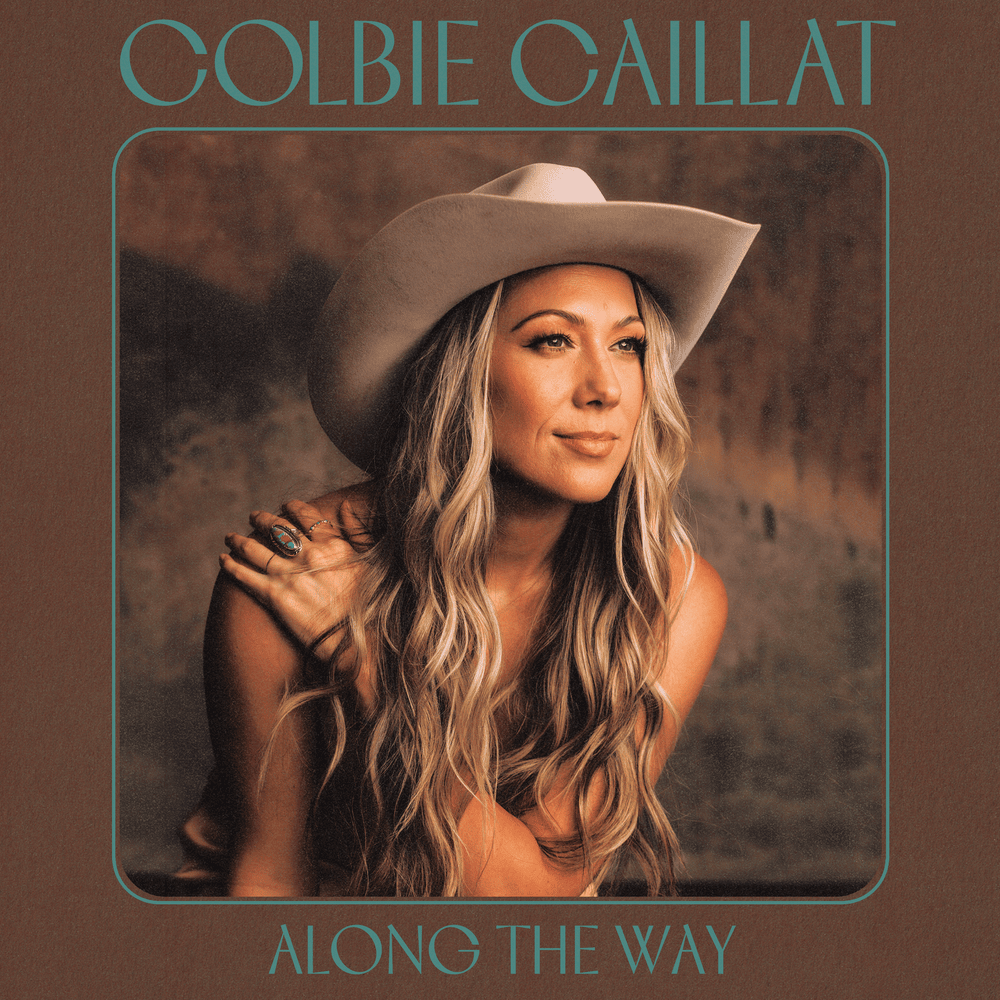
 View Artist