Song Meaning
These lyrics paint a picture of weary resignation, where the speaker concedes to another's will. There's a palpable sense of being trapped, yet also a desire to withdraw from superficial social interactions. The emotional texture is one of bittersweet acceptance, tinged with a dark, self-aware humor.
The central tension arises from this passive acceptance of control versus an underlying urge for escape. The speaker resigns, saying, "Faremo come dici tu" (We'll do as you say), even as they note that "il cappio, sì, l'hai fatto tu" (the noose, yes, you made it). This stark image suggests a manipulative dynamic, where the speaker is aware of the trap but seems powerless, or unwilling, to resist. They pull away from the "festa" (party), feeling that "La superificie è un limite" (The surface is a limit), hinting at a longing for deeper connection or an inability to engage superficially.
Perhaps the most striking craft element is the recurring phrase: "La mia vita è decadenza e panna" (My life is decadence and cream). This powerful juxtaposition creates an oxymoron, suggesting a life that is simultaneously decaying or morally declining, yet also smooth, rich, or superficially pleasant. It's a self-deprecating confession, implying that the speaker's decline is either softened by a layer of sweetness or that they find a strange comfort in this contradictory state. The image of "Quel muro aspetta le sue crepe" (That wall awaits its cracks) further reinforces a sense of inevitable breakdown, mirroring the speaker's own passive waiting.
Ultimately, these lyrics are effective because they articulate a complex emotional state through vivid, often unsettling imagery and a central, memorable paradox. The speaker's resignation, their awareness of being manipulated, and their paradoxical self-description resonate deeply. It's a confession of a life lived on the edge of decay, perhaps made palatable by a thin, creamy layer of something else, leaving the listener to ponder what exactly that "panna" might represent.
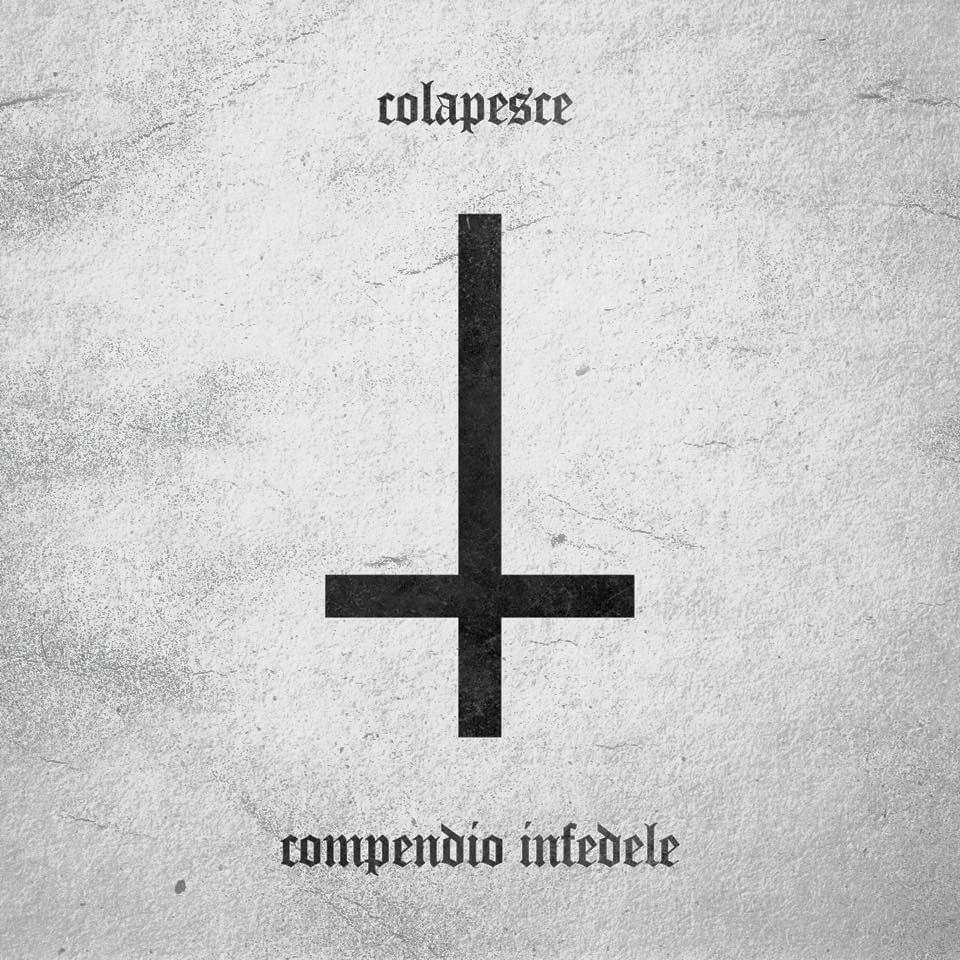
 View Artist