Song Meaning
The lyrics paint a stark picture of accumulation and haunting remnants. The opening verse immediately establishes a sense of decay and past consumption, with "bones once sucked down" now becoming debris "ashore." This creates a visceral image of things that were once vital, now reduced to bare, discarded structures.
The dominant emotional tone is one of inescapable return and lingering presence. The repeated phrase "Things keep washing up" acts as a relentless refrain, suggesting a constant influx of unwanted memories or consequences. This is amplified by the imagery in the second verse, where "spotlights search" for "ghosts of birds" and "ghosts of things gone by," implying a futile attempt to confront or understand what has been lost.
The most striking aspect of the writing is the juxtaposition of physical detritus and spectral presence. The "pile of bones" is tangible, yet it represents something consumed and discarded, while the "ghosts" are intangible but actively sought. This contrast highlights a central tension: the inability to escape the past, whether it manifests as physical remnants or haunting memories.
This lyrical approach effectively conveys a feeling of being overwhelmed by what remains after something has ended. The relentless "washing up" and the searching "spotlights" suggest a struggle with unresolved issues or memories that refuse to stay buried. The final, poignant question, "How can we live? Forget but not forgive," encapsulates the core dilemma – the difficulty of moving forward when the past continues to surface and forgiveness remains out of reach.
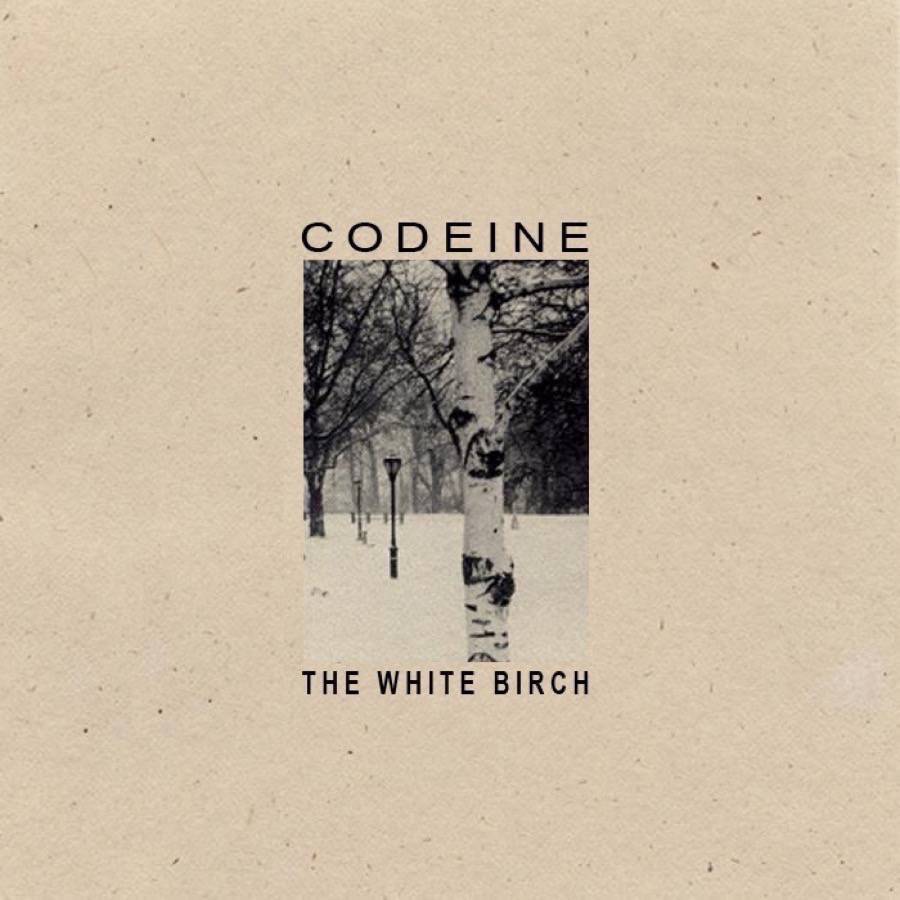
 View Artist