Song Meaning
The lyrics paint a vivid, almost hallucinatory picture of a solitary figure at dusk. The opening lines establish a sense of physical discomfort and disorientation: a "wet whistle," a "wayward" wander, and trousers snagged on thorns. This immediate sensory detail grounds the listener in a slightly uncomfortable, yet strangely beautiful, natural setting as the sun begins to set, casting long shadows "down spine of the meadow."
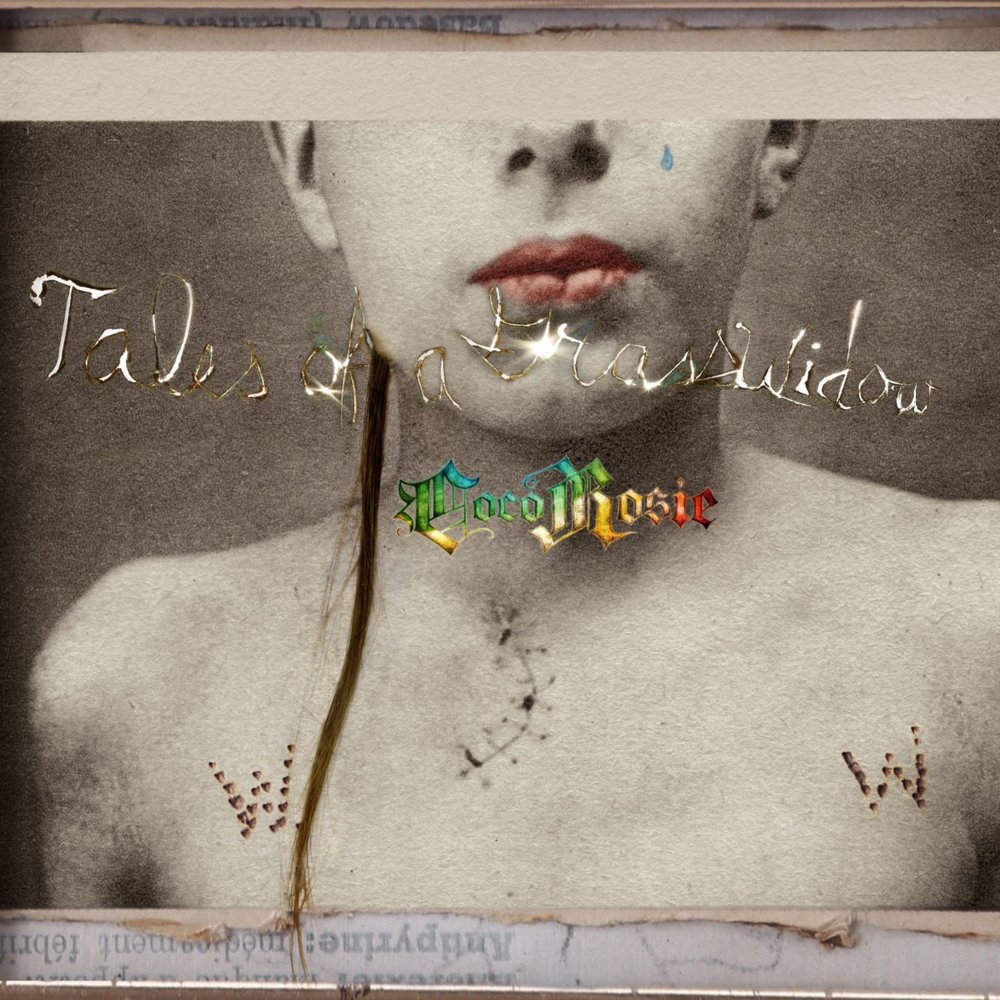
The central tension seems to lie in a desire for escape or transcendence from this grounded, physical reality. The repeated plea, "Pull me up by the roots of my hair," is a powerful, almost violent, image of being forcibly lifted out of the mundane. This yearning is directed towards a "rosy atmosphere," suggesting a more ethereal, perhaps idealized, state of being that contrasts sharply with the prickly brambles and fading light.
The imagery of nature is both specific and symbolic. A "swamp candle flower / A watery fellow" and the "monarch my right hand / Left is the sparrow" create a unique, almost surreal, ecosystem around the narrator. The "twilight blue my bone and marrow" suggests a deep, intrinsic connection to this liminal time of day, blurring the line between the external environment and the narrator's internal state. The final lines, "Marveling over dead branches / Wind in the grasses," bring the focus back to the stark, quiet beauty of the fading day, reinforcing the contemplative mood.
This lyrical passage is effective because it uses precise, evocative language to create a strong sense of atmosphere and internal longing. The contrast between the physical sensations of being stuck and the desire for airy release, coupled with the specific, slightly off-kilter natural details, makes the narrator's emotional state palpable. The repeated, urgent command to be pulled upward acts as an anchor for the song's core desire for elevation beyond earthly constraints.
 View Artist