Song Meaning
The lyrics paint a stark picture of a transactional encounter, immediately establishing a sense of objectification. The opening lines, "You wanted to buy me for a hundred euro / You said you'd take me to your little car," set a chilling tone. This isn't a romantic overture; it's a business proposition, reducing the narrator to a commodity. The mention of a friend's house and the casual "all" suggests a pre-arranged, perhaps illicit, setting.
The narrator's origin becomes a point of misidentification, with the other person guessing "Yugoslavia." This guess, and the narrator's firm "Well, it's not Yugoslavia / It's not Yugoslavia at all," highlights a disconnect and perhaps a refusal to be stereotyped or confined to a specific, potentially negative, narrative. The repetition of "Yugoslavia" emphasizes the narrator's insistence on their own identity, separate from the assumptions being made.
The connection to a movie about a "little girl from Yugoslavia" who was "made her prostitute" and "never had a chance to play" is the song's most potent and disturbing turn. This isn't just a random film reference; it's a direct, albeit implied, parallel drawn by the narrator. It suggests the narrator sees their own situation, or the situation being offered, as mirroring this tragic cinematic story of exploitation and lost innocence. The repeated "Lyla, Lyla, Lyla" then becomes an anchor, perhaps a name, a plea, or a lament, underscoring the vulnerability and the potential fate.
This juxtaposition of a transactional offer with a horrific cinematic parallel creates a powerful emotional resonance. The lyrics effectively convey a sense of danger and a desperate assertion of self against a backdrop of potential exploitation. The craft lies in the stark, unadorned language and the chillingly direct comparison that elevates a specific encounter into a commentary on vulnerability and the assumptions made about individuals, especially women, it seems, women.
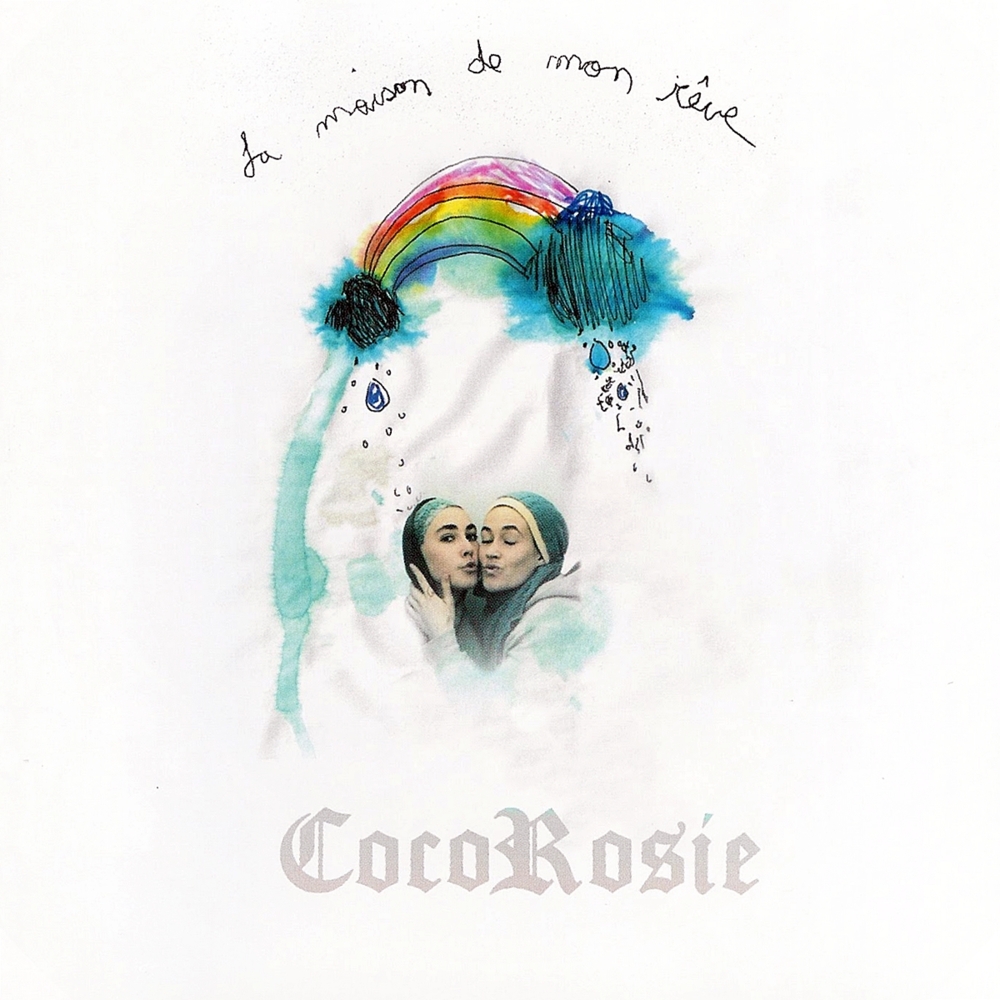
 View Artist