Song Meaning
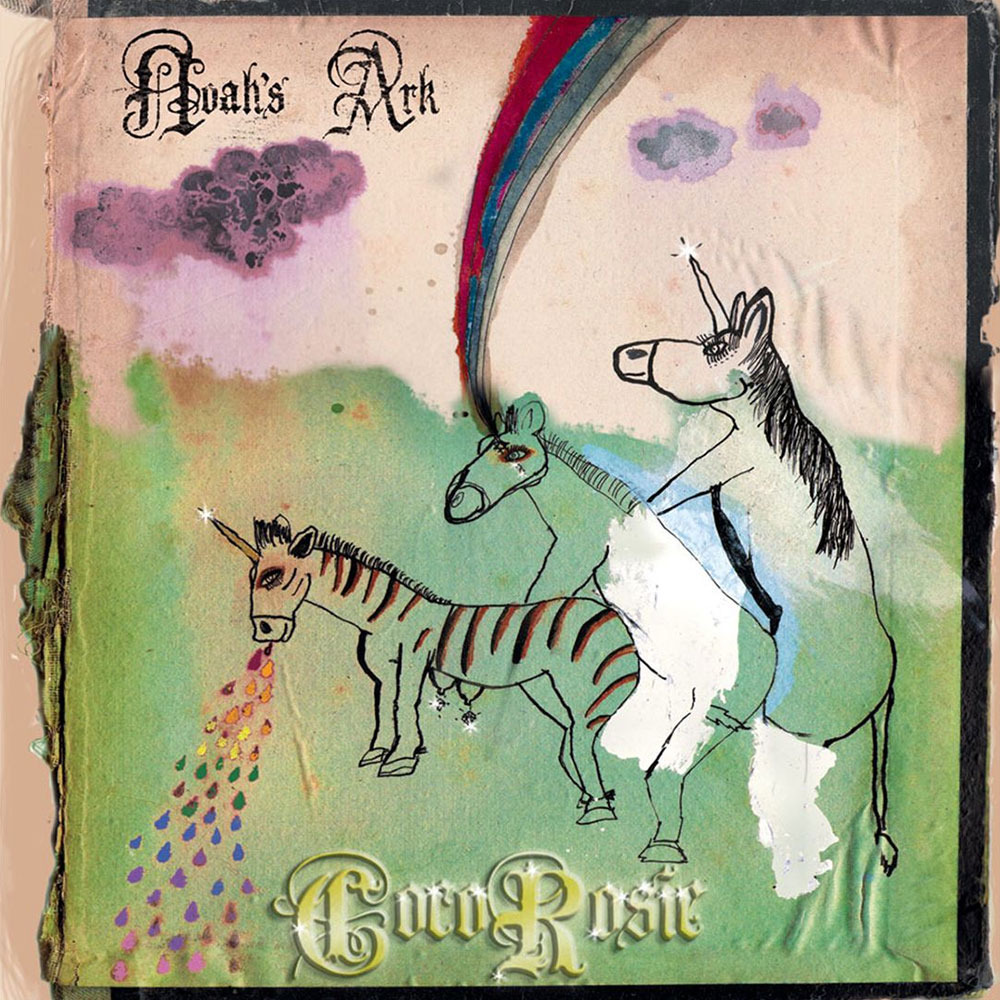
The lyrics plunge into a disorienting, almost hallucinatory state, painting a picture of "tiny spirits in a k-hole" that are "bloated like soggy cereal." This opening image immediately establishes a tone of decay and dissolution, juxtaposed with a bizarre, almost childlike vision of divine intervention. The narrator anticipates a cleansing, where "God will come and wash away / Our tattoos and all the cocaine," suggesting a desire for absolution from worldly sins and substances, even imagining "aborted babies" transforming into "little bambies." This creates a stark contrast between the grim reality and a fantastical, redemptive afterlife.
The central tension seems to revolve around a desperate search for meaning and solace amidst profound disorientation and perhaps regret. The "wounded river" that is "searching for that desert song" evokes a journey through arid, difficult terrain, seeking something life-giving. This quest is underscored by the surreal imagery of "Mozart's requiem" playing on "tiny speakers made of clay," a fragile, almost absurd means for delivering a powerful, somber piece, hinting at the precariousness of beauty and order in this chaotic landscape. The plea, "Tell my mother that I love her," grounds the abstract despair in a deeply personal, human connection.
The lyrical craft here is marked by its jarring, unexpected juxtapositions and surrealist imagery. The narrator shifts from the spiritual to the grotesque, describing figures as "charming monkey, saunter swagger" and "drunken donkey, limbs disjointed," before likening a chest to a "petting zoo." This chaotic collage of images, including "Mexican pony, fucked up shoes," reflects a fractured perception of reality. The unexpected declaration, "Nothing holier than sports," following a dream of "one thousand basketball courts," offers a strange, almost ironic anchor in the mundane, elevating athletic activity to a sacred status in the absence of clear spiritual guidance.
What makes these lyrics so potent is their unflinching embrace of the surreal to articulate a profound sense of existential unease and a yearning for peace. The fragmented, dreamlike quality, punctuated by moments of stark emotional clarity like the message to his mother, creates a disquieting yet compelling experience. The repeated phrase, "Through the crack eye lovely weather," suggests a fragile hope or a distorted perception of beauty glimpsed through a broken lens, encapsulating the album's exploration of altered states and the search for light in darkness.
 View Artist