Song Meaning
The lyrics open with a seemingly innocent, almost childlike declaration of love for a mother, tied to the simple act of being fed. This domestic scene, punctuated by a repetitive "la la la," establishes a surface-level comfort. However, the insistent questioning, "Don't you love your baby / Tell me / Tell me, tell me, tell me truth," introduces an undercurrent of anxiety, hinting that this affection might be conditional or unproven.
The stark contrast arrives with the repeated refrain: "Big houses burn / Big houses burn down." This image of destruction, applied to grand structures, feels like a sudden, jarring shift from the intimate domesticity of the first verse. It suggests a larger, perhaps societal or existential, threat that looms over even the most secure-seeming environments. The repetition amplifies the sense of impending doom.
The most potent moment is the final plea: "Don't burn down mine." This personalizes the abstract threat of burning houses, directly connecting the narrator's vulnerability to the larger destructive force. The "big houses" could represent established systems, wealth, or even idealized domestic security, all of which are presented as fragile and susceptible to collapse. The narrator’s desperate plea reveals a deep-seated fear of losing their own perceived safety, however precarious.
This lyrical construction is effective because it juxtaposes profound innocence with overwhelming dread. The simple, almost nursery-rhyme opening makes the subsequent imagery of destruction and the final desperate plea all the more impactful. It’s the sudden realization that even the most basic assurances of love and security can be threatened by forces beyond one's control, leaving the narrator clinging to their own small piece of stability.
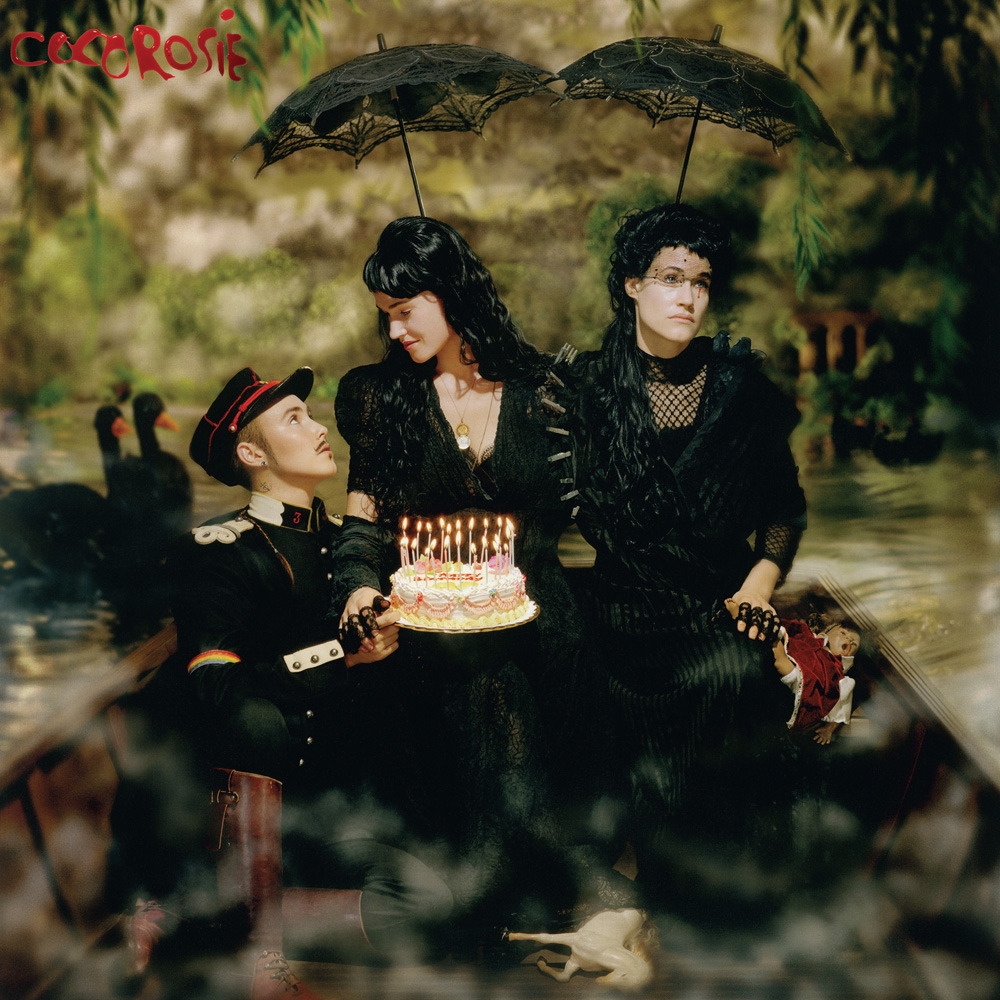
 View Artist