Song Meaning
The lyrics paint a stark picture of transformation and lost identity. The narrator begins by referencing a past self, the child of "Charlotte," but now describes a drastically altered state: "humpback and I'm harlot." This isn't just a physical change; it's a complete inversion of innocence and respectability. The phrase "harmless monster" is a striking oxymoron, suggesting a being that is both frightening and pitiable, perhaps misunderstood or ostracized.
The dominant tension lies in the contrast between the past and present self, and the narrator's plea for recognition despite this radical shift. The imagery of "flowers in your hair" evokes a youthful, perhaps idealized past, juxtaposed with the present reality of being "by the roadside, in the nighttime," a place of transience and obscurity. The narrator feels "hardly even there," a "blurry sudden change of color," implying a loss of substance and visibility.
The craft here hinges on sharp, disorienting imagery and a desperate, almost mournful repetition. The line "It's your eyes who deceive you" suggests that the narrator's current appearance is a misleading facade, and that the true self, the "angel" or "someone's sweet thing," is still present beneath the surface. The repeated plea, "It's alright to recognize me," coupled with "Call out my nameless," is a powerful cry for validation, an attempt to reclaim an identity that has been erased or obscured by circumstance.
Ultimately, the effectiveness of these lyrics comes from their raw portrayal of dissociation and the deep human need to be seen and acknowledged, even when one's form or circumstances have become monstrous. The narrator’s fragmented self-description, from "angel" to "harlot" to "graveless diggress," captures a profound sense of being adrift, yet still yearning for connection and a name to be named, to be known.
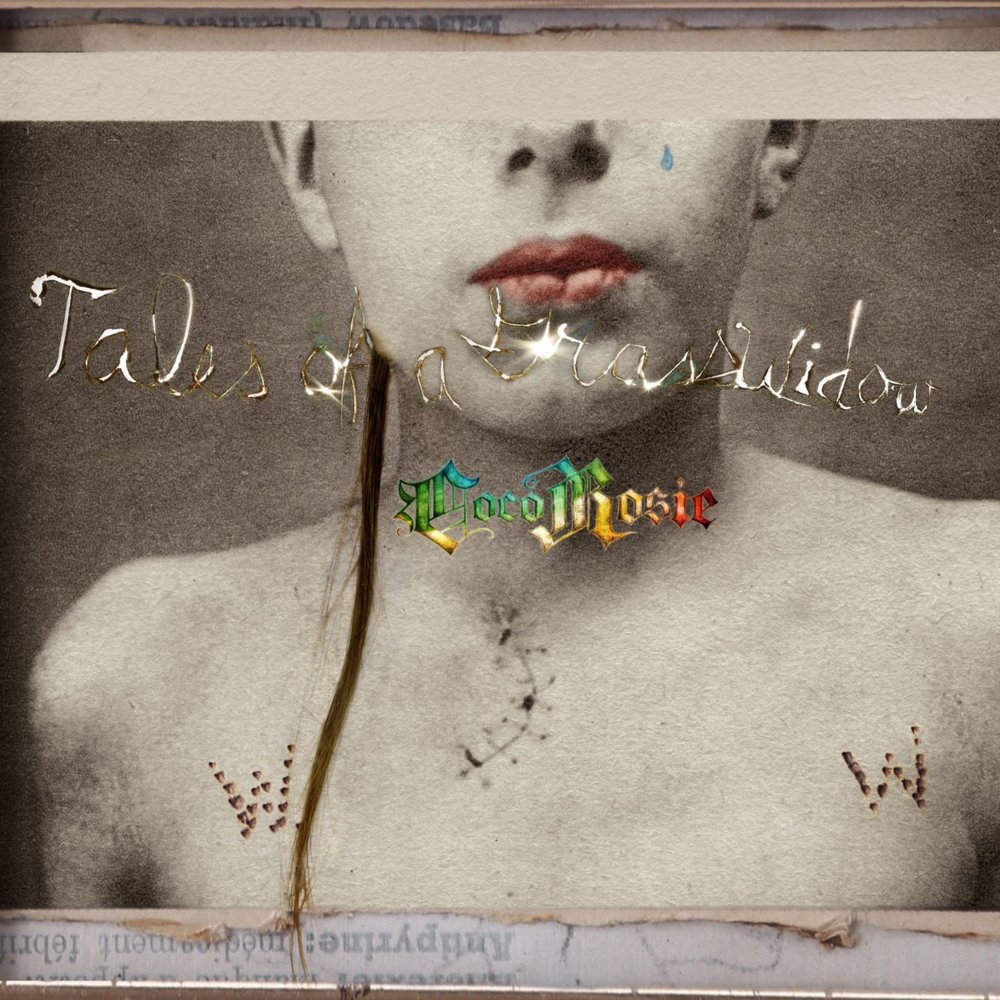
 View Artist