Song Meaning
The lyrics paint a surreal, almost dreamlike scene where celestial imagery collides with earthly sensations. We open with a vision of "warm souls flutter" in heaven, adorned with "rosaries," suggesting a peaceful, spiritual afterlife. This serene image is then juxtaposed with the more grounded, yet still ethereal, guidance of "German shepherds" and "kinder dressed in starlight," hinting at a protective, perhaps even innocent, force at play.
The central tension seems to arise from a profound sense of detachment and internal sorrow experienced by the narrator. They describe feeling "like I'm crying besides a tree," a solitary, almost passive act, and then amplify this by stating, "I'm watching myself like an old TV." This disassociation, further elaborated by the comparison to an "old movie on color TV," suggests a struggle to connect with their own emotional reality, observing their life and feelings as if from a distance.
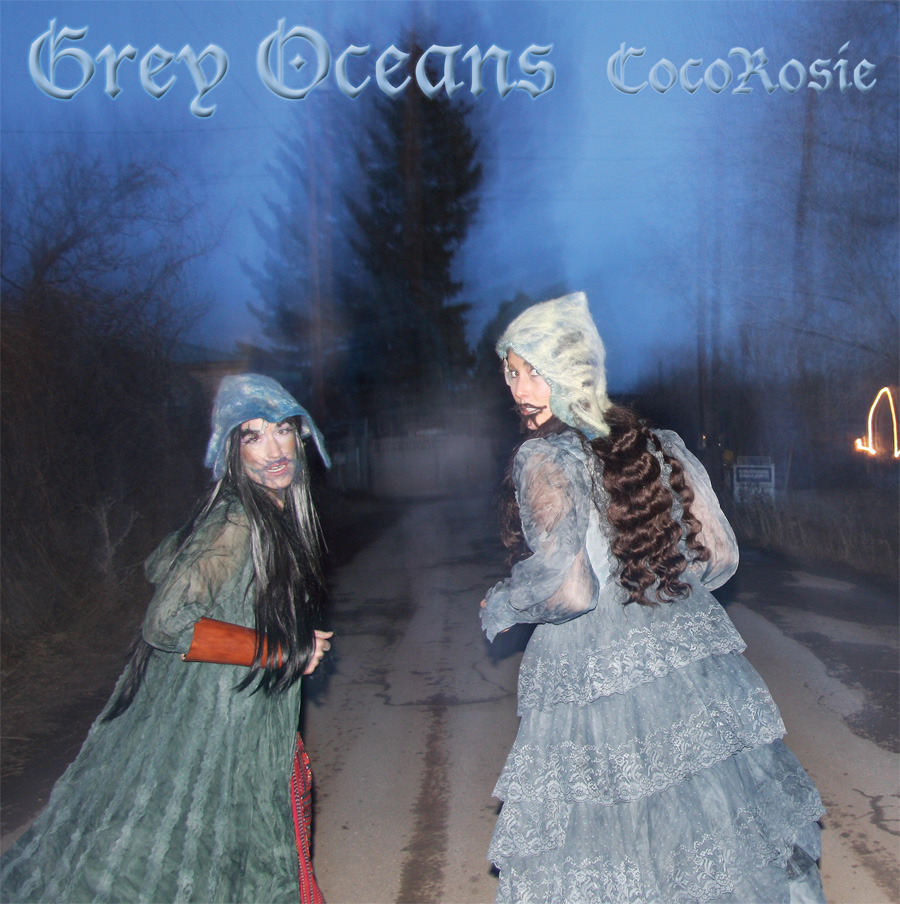
The craft here is in the unexpected juxtapositions and the sensory details that ground the abstract. The "whisper in Portuguese" adds an exotic, mysterious layer, while the visceral memory of "stubble on his face" and the painful intimacy of "fell onto each other's faces" bring a sharp, human reality to the emotional landscape. The "grey oceans" at dawn, retracing "heart ached patterns," is a powerful image of lingering sorrow, a vast, somber canvas for emotional residue.
This piece resonates because it captures a specific kind of melancholic introspection. The narrator is caught between a transcendent, almost angelic vision and the raw, sometimes painful, physicality of human connection and loss. The act of watching oneself, detached yet still feeling the sting of past intimacy, creates a compelling portrait of internal conflict and the quiet ache of memory.
 View Artist