Song Meaning
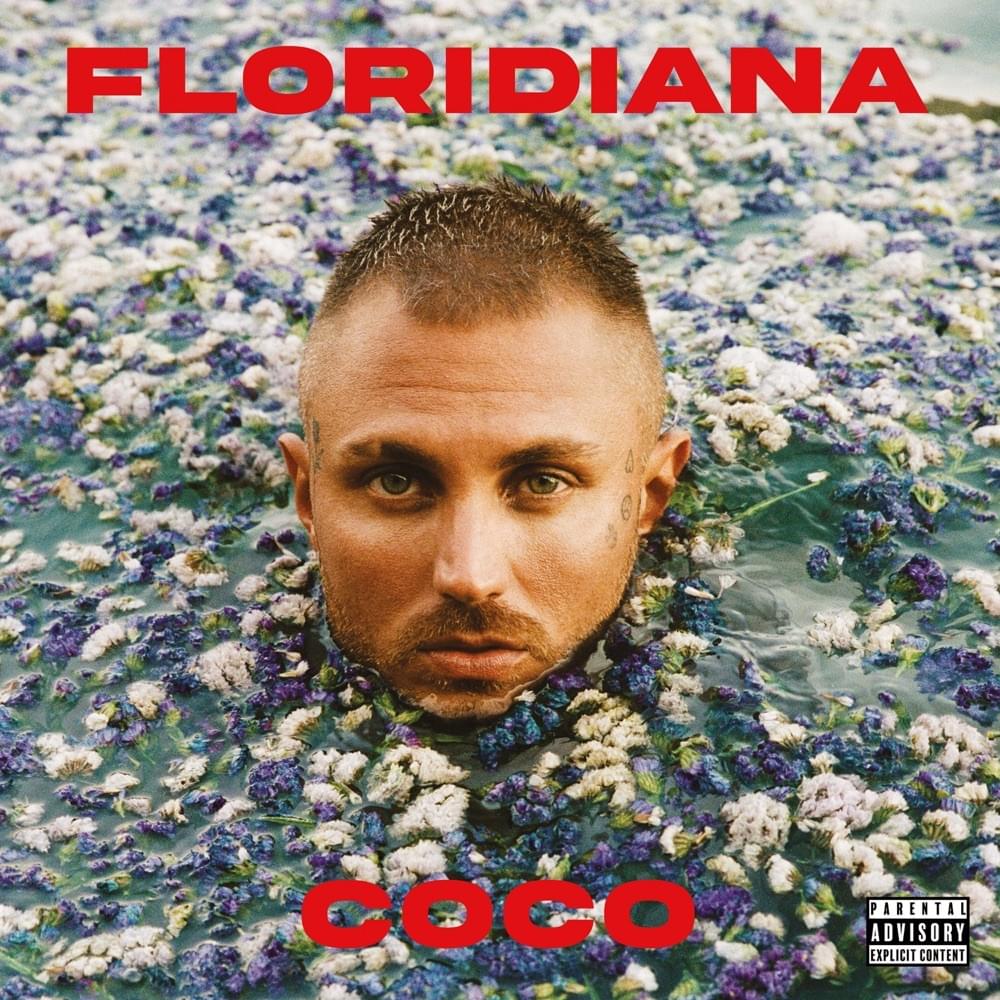
The lyrics present a stark contrast between a violent external threat and a fragile internal defense. The opening line, "Spari su di noi" (Shots at us), immediately establishes a sense of danger and vulnerability. Yet, this threat is met with a seemingly passive, almost surreal form of protection: "Questi fiori mi proteggono" (These flowers protect me). This repetition emphasizes the narrator's reliance on this delicate, natural imagery as a shield against aggression, creating an immediate tension between the harsh reality and the chosen, perhaps illusory, sanctuary.
The core of the song appears to lie in this juxtaposition of external conflict and internal, almost whimsical, coping mechanisms. The plea, "Fammi ciò che vuoi" (Do what you want to me), following the declaration of floral protection, suggests a surrender to the forces acting upon the narrator, but it’s a surrender framed by their unique defense. It’s as if the flowers grant a kind of permission, or perhaps a detachment, allowing external actions to occur without fundamentally breaching the narrator's inner peace, however precarious.
The outro shifts dramatically, moving from the intense, metaphorical imagery of the verse to a conversational, almost self-deprecating discussion about a music project. The narrator grapples with defining their work – an EP or an album – ultimately deferring the decision to an unspecified "they." This linguistic uncertainty and the casual tone create a fascinating counterpoint to the earlier intensity. It suggests that perhaps the external world's definitions and judgments are as fluid and ultimately unimportant as the narrator's own categorization of their art, mirroring the earlier surrender to external forces.
This lyrical construction is effective because it grounds abstract emotional states in concrete, albeit contrasting, images. The power of the flowers as protection, however improbable, resonates because it’s directly opposed to the visceral threat of gunfire. The subsequent shift to the mundane, uncertain conversation about an EP highlights a potential disconnect between artistic creation and external perception, or perhaps a way of processing the earlier trauma through a lens of artistic production and its inherent ambiguities. The lyrics leave the listener contemplating the nature of safety and the ways we construct it, whether through nature, art, or sheer conversational deflection.
 View Artist