Song Meaning
The narrator recounts a moment of profound betrayal, feeling blindsided by a supposed friend's actions. The opening lines set a tone of weary self-awareness, admitting to past mistakes and desperate needs, but the core of the hurt stems from a perceived violation of trust. The narrator acknowledges their own flawed nature, stating, "Desperate and selfish, I know that I was," yet this admission doesn't lessen the sting of what followed. The imagery of a poisoned cup, even amidst shared drinks, suggests a hidden malice or deceit that corrupted what should have been a shared experience.
The central conflict erupts in the repeated chorus, a desperate plea and accusation: "I thought you were on my side." This isn't just about a disagreement; it's about a fundamental breach of loyalty in a situation that was supposed to be equitable. The narrator recalls a promise of fairness, "You said it would be even, When splitting up the stakes," implying a business or shared venture gone sour. The phrase "Were we not the rage" hints at a past camaraderie or shared ambition that makes the current betrayal even more jarring, contrasting a vibrant past with a bitter present.
The lyrics masterfully employ the contrast between expectation and reality. The narrator, "hurting for freedom, hell-bent for lust," seems to be in a vulnerable state, seeking genuine connection. The shock of encountering someone they thought they could trust, only to be pushed "off" their "edge," highlights the precariousness of their situation. The question, "Is it the belonging, or something you've lost?" probes the motive behind the friend's actions, suggesting it might stem from the friend's own insecurity or loss rather than the narrator's perceived flaws.
This song hits hard because it captures that gut-wrenching feeling when a trusted ally turns into an adversary, especially during a vulnerable moment. The narrator's self-deprecation in the first verse makes the subsequent betrayal feel even more unfair, as if their admitted flaws were used against them. The repeated, almost pleading chorus underscores the deep sense of disbelief and hurt, transforming a simple disagreement into a profound existential crisis of trust.
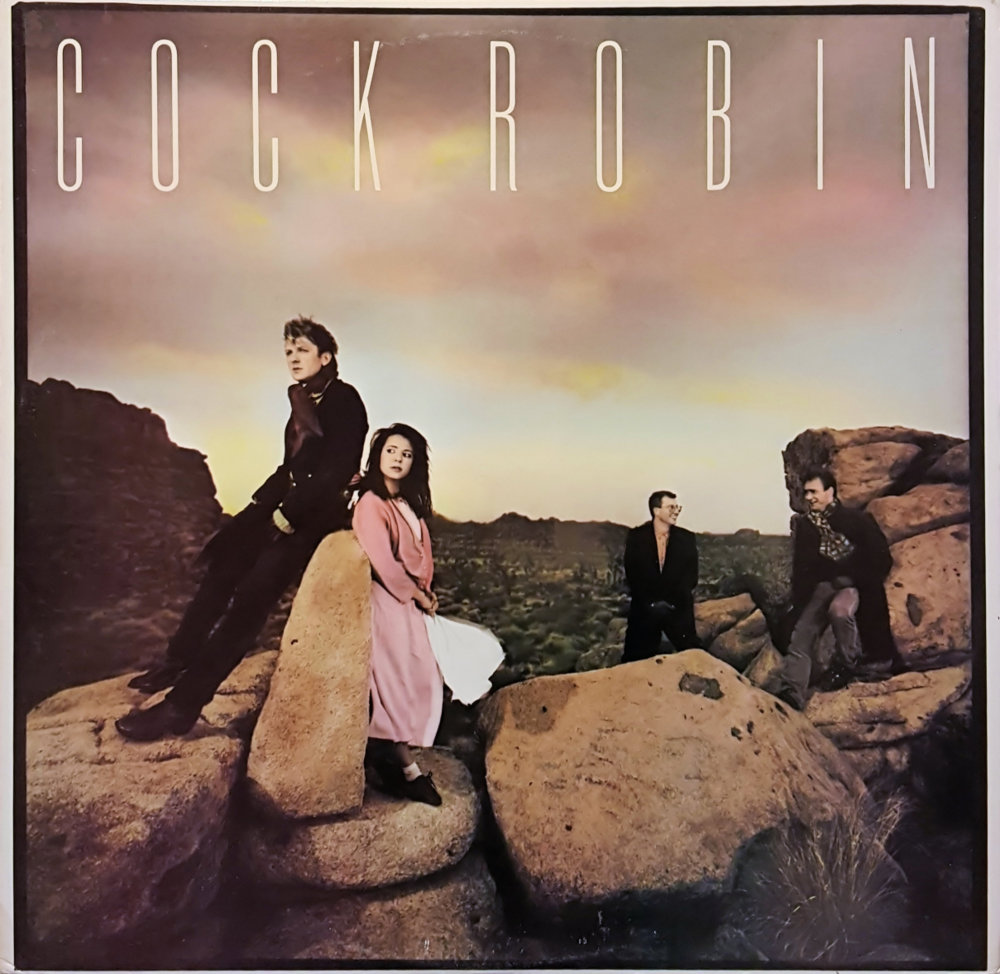
 View Artist