Song Meaning
The lyrics paint a picture of persistent struggle against external forces that take and distort. The opening lines lament being "only robbed," questioning the value of truth when "unreliable justice" is used to mock others. There's a visceral reaction to this hypocrisy, a refusal to let others "laugh while putting silk around necks." This sets a tone of defiance against a world that seems to take without giving, and where perceived righteousness is a tool for cruelty.
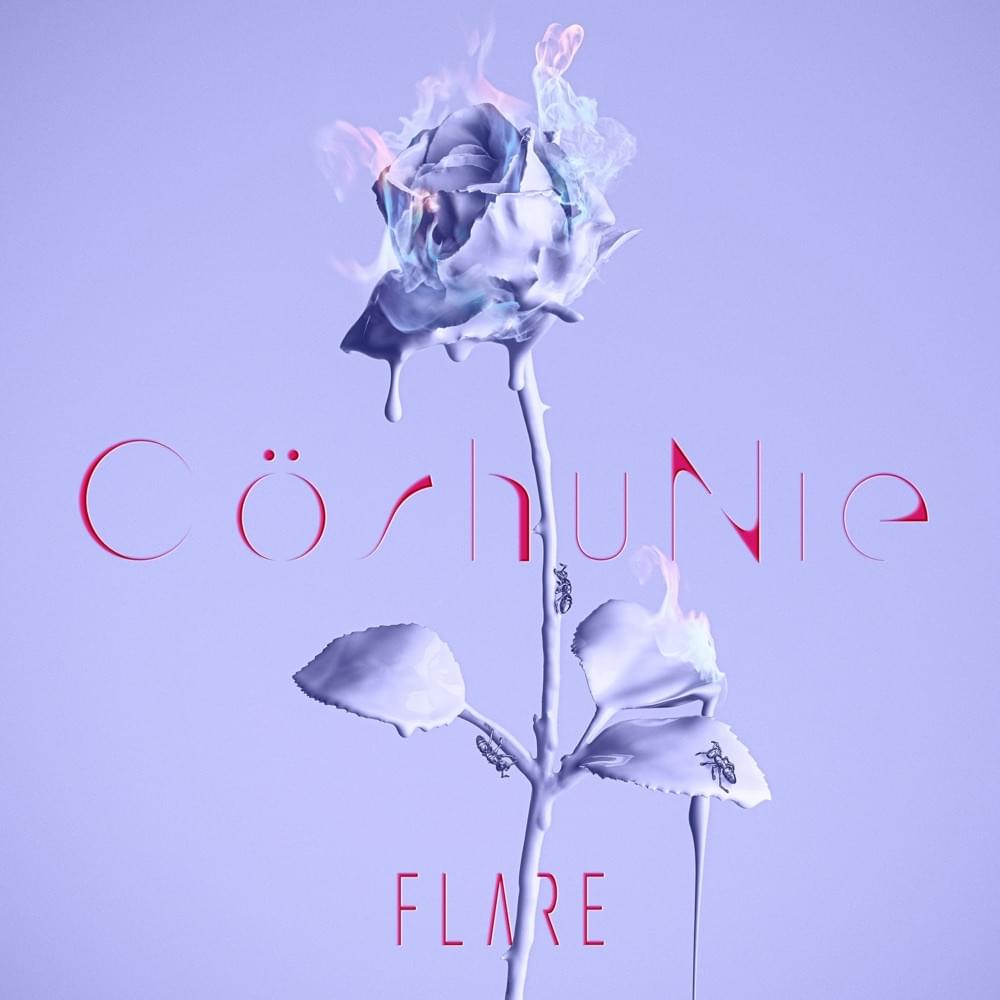
The core tension lies between a feeling of being victimized and a fierce determination to forge one's own path. The narrator declares, "Don't underestimate us, we'll carve our own way." Despite the pain of being "robbed," the spirit remains unbroken, urging to "quietly burn" and not surrender. This internal fire is fueled by the understanding that "impermanence" is a constant, and a new era will eventually arrive, one that the narrator and their group will define.
A striking aspect is the shift in perspective from receiving to giving, or rather, the critique of how giving is perceived. The lines "I'm only given things" and "It's your fault my cheeks hurt" suggest a burden placed upon others, perhaps through passive acceptance or misplaced expectations. The narrator realizes the need for active engagement, stating, "I realize being proactive is love," and resolves to stop "burdening kind people."
Ultimately, the lyrics articulate a powerful message of self-determination and hope amidst chaos. The call to "love our future" and "sniff out a faint light" underscores a belief in finding possibility even in fleeting moments. The narrator embraces the messy reality, the "patchwork chaos," recognizing it as the foundation for their resilience. The repeated assertion that "it's our era" signifies a reclaiming of agency, a commitment to "reshape the torn reality" with a sense of purpose and an unwavering spirit.
 View Artist