Song Meaning
The lyrics paint a picture of a figure named Annie, whose return is associated with intense, almost malevolent energy. The narrator describes an "evil time" and a sense of "pain" that seems to permeate the atmosphere, suggesting Annie's presence is disruptive and unsettling. Despite this, she's hailed as a "living legend" who "will never fade away," hinting at a powerful, enduring impact.
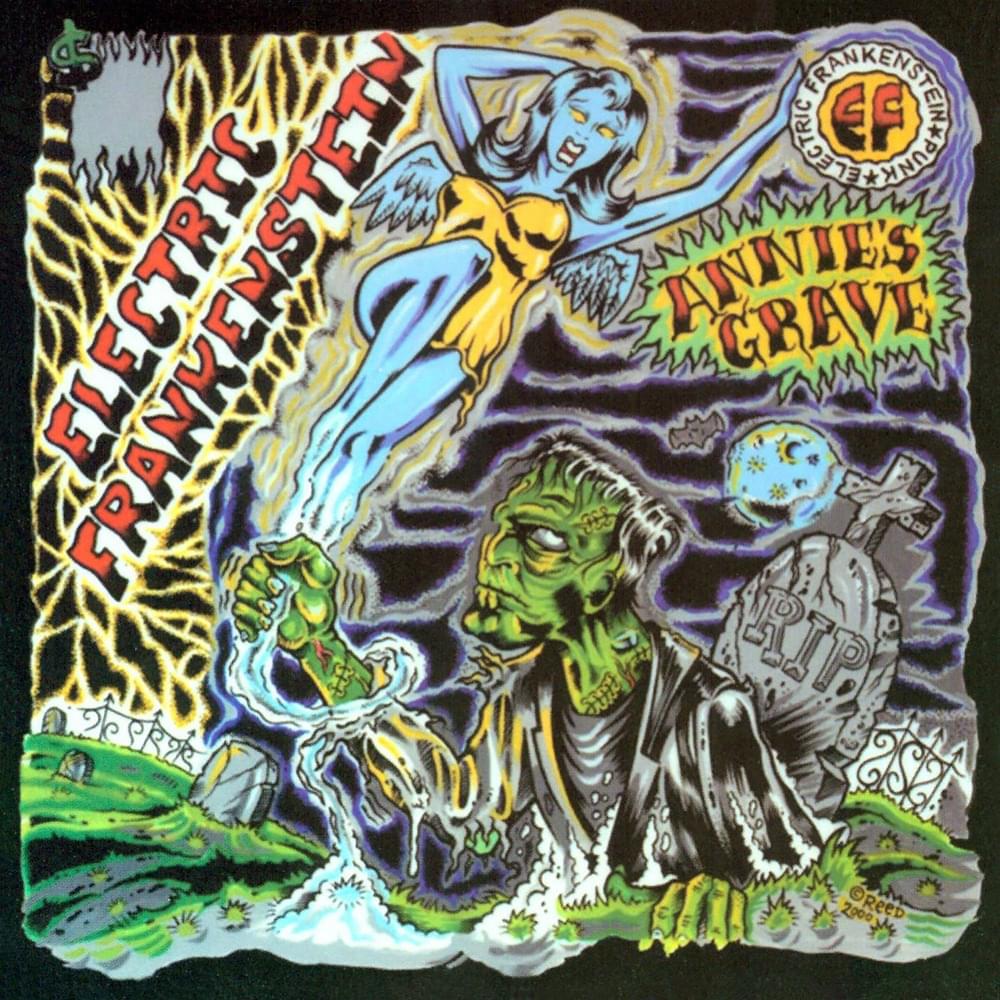
There's a stark contrast between Annie's outward appearance and the implied darkness surrounding her. She's described with a "smile upon her face" while "danc[ing] through the graveyard," a juxtaposition of joy and death. The narrator sees her "in the mess," a "pretty girl taken from the world," which implies a tragic past or a violent end, yet her presence now is framed as something to actively seek out, even to the point of visiting "Annie's grave."
The most striking element is the narrator's fixation on Annie's grave and the idea of her "coming out to play." This isn't a mournful remembrance; it's an invitation to an experience that is "burning to my eyes" and makes the narrator feel "alive." The repeated return to "Annie's grave" after her death suggests a cyclical, perhaps obsessive, engagement with her memory and the chaotic energy she represents, blurring the lines between life, death, and a haunting resurgence.
This lyrical construction is effective because it taps into a fascination with the macabre and the enduring power of certain personalities, even after death. The ambiguity of Annie's nature—legendary yet associated with evil and pain—creates a compelling tension. The narrator's desire to revisit her grave and feel "alive" through this connection, rather than grief, offers a dark, exhilarating perspective on remembrance and influence.
 View Artist