Song Meaning
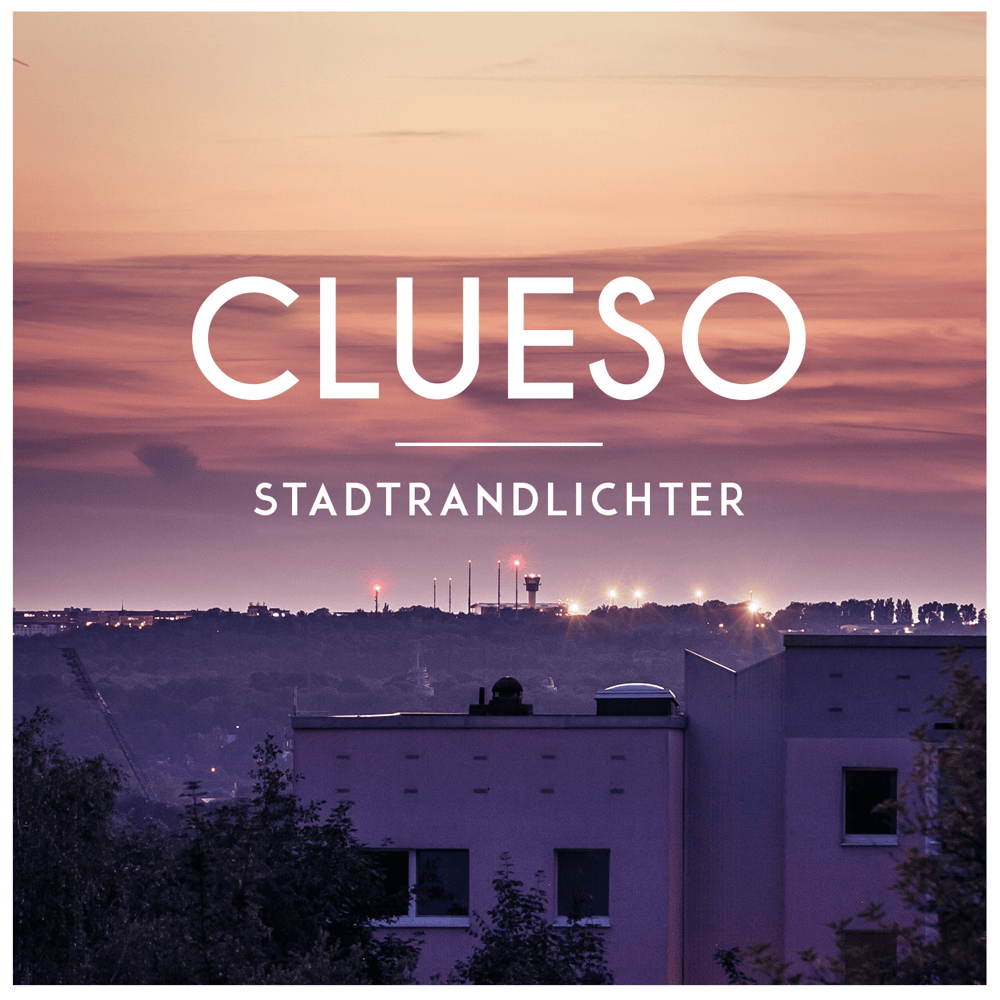
The narrator is on a journey home, a familiar route marked by the "Stadtrandlichter" – the lights of the city outskirts. There's an immediate sense of anticipation mixed with a touch of anxiety about returning after a long absence. The drive itself becomes a liminal space, bridging the unknown past with a potentially uncertain homecoming. The narrator is keenly aware of time passing, hoping not to have missed crucial moments or opportunities.
This return is driven by a need to reconnect and perhaps reclaim something lost or neglected. The lyrics suggest a period of self-discovery or perhaps a period of being lost, where the narrator sought to understand their identity "weit weg" (far away). This quest for self, however, wasn't always fruitful, leaving the narrator with a lingering question about where they truly belong. The return home isn't just a physical act but an emotional reckoning.
The core tension lies in the contrast between the comforting familiarity of the "Stadtrandlichter" and the narrator's internal uncertainty about their place and the state of their relationships. The lights are a beacon, promising a return to the known, yet the narrator's repeated phrase, "Hoffentlich, komm ich zu nichts zu spät" (Hopefully, I'm not too late for anything), underscores a deep-seated fear of irreversible change or missed connections. The drive "immer gerade aus" (always straight ahead) in the outro might represent a focused, perhaps even stubborn, pursuit of a singular path that led them away, and now, back.
The effectiveness of these lyrics stems from their grounded, almost mundane imagery that carries significant emotional weight. The simple act of driving home, illuminated by "Stadtrandlichter," becomes a powerful metaphor for navigating the transition back to one's roots. The repetition of the desire to not be too late, coupled with the visual of the approaching lights, creates a palpable sense of hopeful urgency. It captures that specific feeling of returning home after a long time, where the familiar landscape offers solace but also amplifies the anxieties of what might have changed.
 View Artist