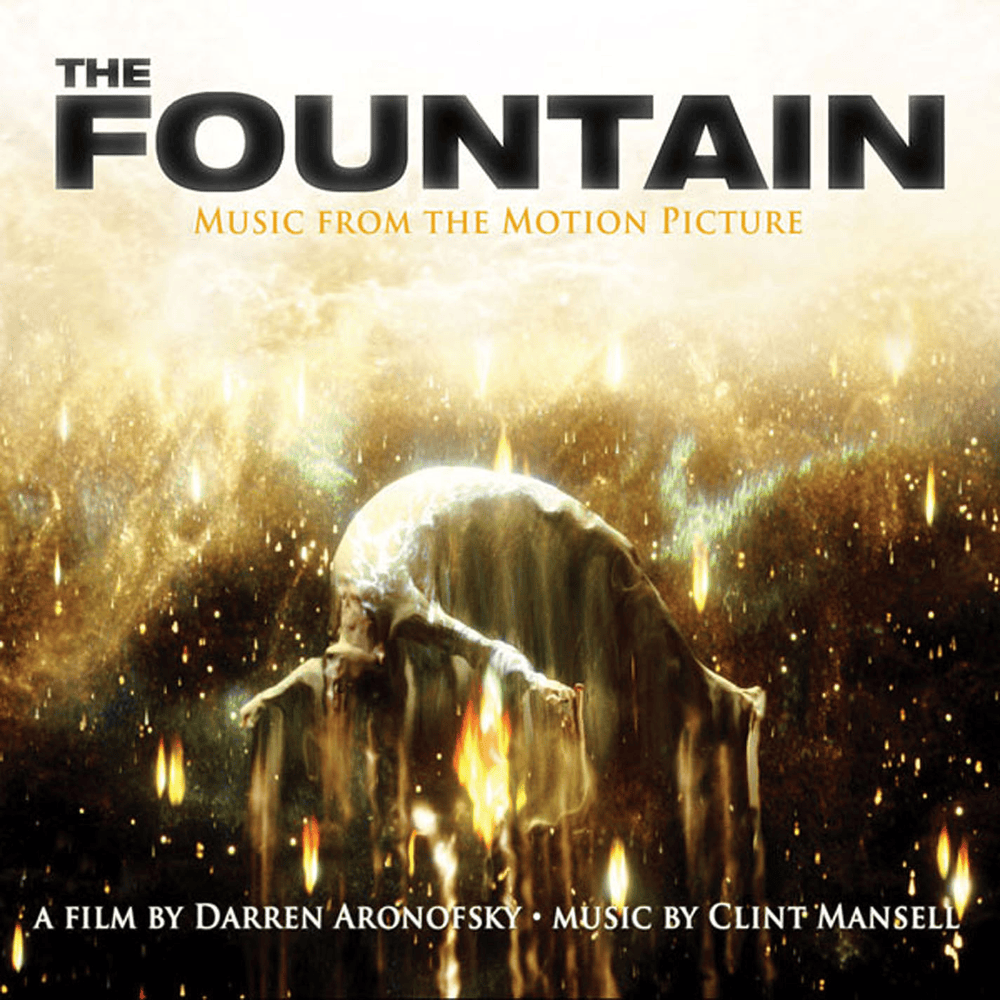
Song Meaning
The title itself, "Death is the Road to Awe," sets a profound and paradoxical stage. It suggests a journey where the ultimate experience, awe, is only accessible through the finality of death. This immediately frames the piece not as a lament, but as a contemplation of transcendence, implying that the cessation of life is the gateway to a profound, perhaps spiritual, realization.
The instrumental nature of the piece, devoid of lyrics, becomes the primary medium for conveying this complex idea. The absence of words forces the listener to engage with pure sound, stripping away narrative and allowing for a more direct emotional and sensory response. The music must therefore carry the weight of the title's assertion, evoking feelings that words might otherwise define.
Without lyrical content, the interpretation hinges entirely on the sonic architecture. The composer is tasked with building an auditory landscape that can embody both the solemnity of 'death' and the overwhelming wonder of 'awe.' This might manifest through shifts in dynamics, harmonic tension and release, or the textural qualities of the instrumentation, aiming to guide the listener through a sonic representation of this ultimate transition.
The effectiveness of "Death is the Road to Awe" lies in its bold premise and the challenge it presents to the listener. By removing the crutch of lyrics, it demands an active, internal engagement with the concept. The music becomes a canvas for personal reflection on mortality, the unknown, and the potential for profound experience beyond life's confines, making the title's promise the central, resonant theme.