Song Meaning
Clint Black's "A Lover's Clown" isn't just a country ballad; it's a stark portrayal of emotional vulnerability masked by forced levity. The core of the song meaning resides in the tragic figure of a lover reduced to a caricature, performing for an audience that includes the very person whose affection he craves. The opening lines, "Tiny pieces of my heart / Like confetti everywhere," immediately establish a sense of fractured self-worth, scattered and unacknowledged. This imagery of heartbreak as discarded confetti sets the stage for a performance of happiness that rings hollow. The 'lover's clown' is caught in the spotlight, unable to conceal the underlying sadness, a poignant contrast between outward appearance and inner turmoil. He is performing, yet alone. Is this performance for the object of affection or to convince himself? The distorted mirror images introduce the idea that his perception of reality may be skewed by his emotional state. The laughter of strangers is a poor substitute for the silence of the absent lover. This emphasizes the isolation and the performance aspect of the clown persona.
The chorus drives home the self-deprecating nature of this role. The "big red nose and the tears and the silly act" are a mask, a defense mechanism against the pain of unrequited love. The lines "Comedy, tragedy, reality / It all plays the same" suggest a blurring of boundaries, where genuine emotion is indistinguishable from performance. The high-wire imagery in the bridge further amplifies the sense of precariousness and impending doom. Falling without a net is a metaphor for the emotional freefall the clown experiences, clinging to the hope that the love can still be salvaged, even as the relationship collapses. This section of the lyrics analysis highlights the internal conflict: the desire to stop falling versus the inability to do so.
Ultimately, "A Lover's Clown" explores the psychological complexities of love and loss. The final verse, with its admission that "you were never really there," reveals a painful realization. The clown's performance was perhaps always a solo act, a desperate attempt to conjure a connection that never truly existed. The closing image of the big top leaving town signifies an end, a farewell to the charade. The repetition of "Say goodbye" underscores the finality of the situation, a reluctant acceptance of the end of the performance, and the beginning of the journey to reclaim a sense of self beyond the role of the clown.
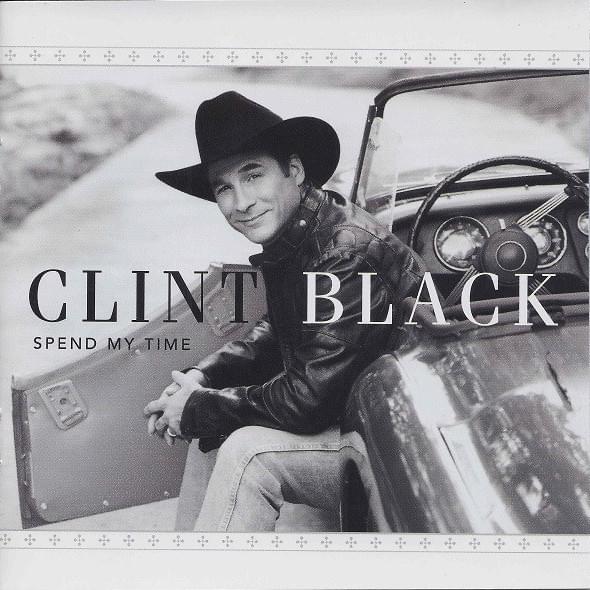
 View Artist