Song Meaning
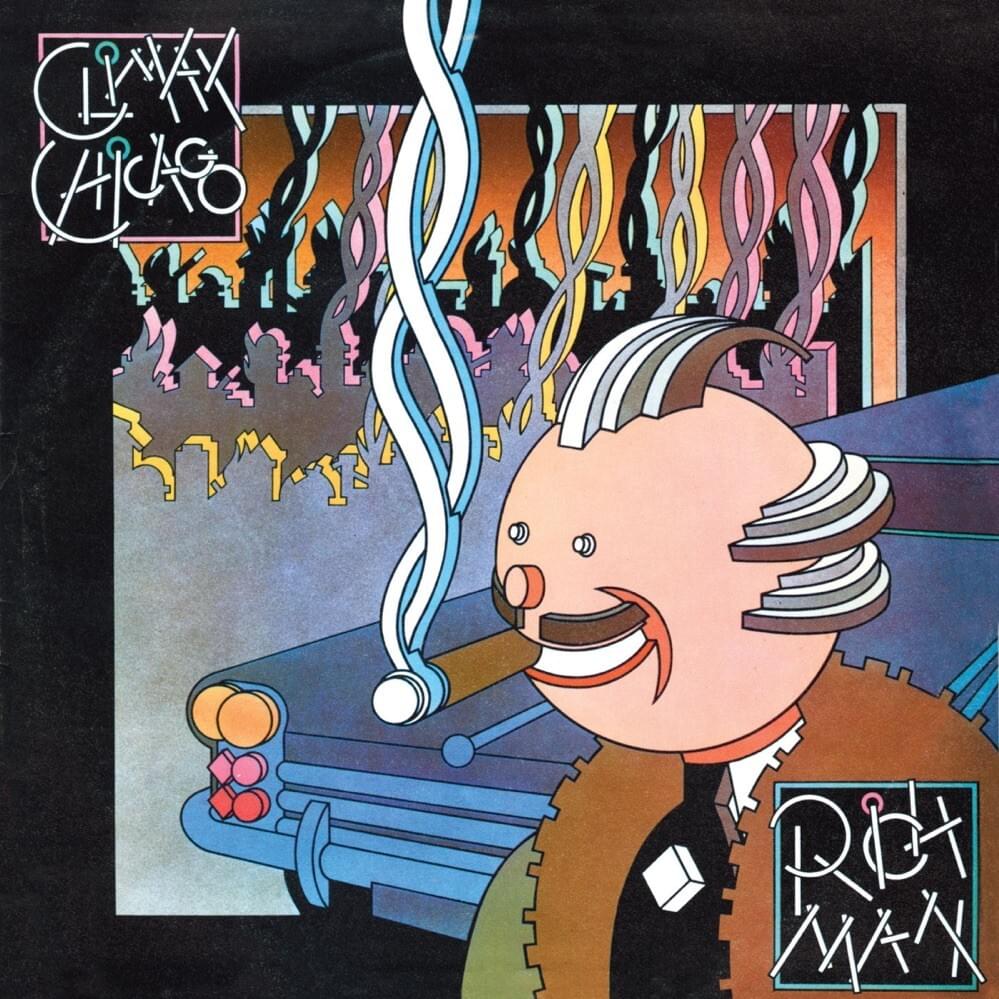
The lyrics present a stark, almost brutal, contrast between two identities: the rich man and the poor man. The rich man commands luxury, symbolized by the Cadillac, and wields power through commerce, selling "bullets to the soldiers." He has agency and can acquire anything he desires. This immediate image of power and freedom is immediately undercut by the introduction of the poor man, who lacks these privileges and is instead pressured into the very conflict the rich man profits from. The narrator seems to embody both, or at least witness this duality firsthand.
The central tension hinges on the cyclical nature of power and consequence, hammered home by the insistent repetition: "Rich man wins / Poor man pays." This refrain isn't just a statement; it's a declaration of an unshakeable, unjust order. The rich man's victory is directly funded by the poor man's loss, whether through financial burden or, as later revealed, literal sacrifice. The lyrics suggest that this system is not accidental but a deliberate structure where wealth dictates who benefits and who suffers.
The most striking turn comes in the final stanza, where the narrator identifies as the "rich man's son." This shifts the perspective, revealing a complex inheritance of privilege and vulnerability. While he claims not to *need* the Cadillac, implying a detachment from material status, his observation of soldiers and subsequent death by "ricochet" is devastating. It suggests that even within the privileged class, the consequences of the "rich man wins / Poor man pays" dynamic can still reach, blurring the lines between beneficiary and victim.
This lyrical structure effectively forces the listener to confront the grim reality of systemic inequality. The simple, declarative sentences and the relentless repetition create a sense of inevitability, making the final, tragic twist all the more potent. The narrator's ultimate fate, caught in the crossfire of the very system he's connected to, underscores the inescapable and often fatal cost of this economic disparity.
 View Artist