Song Meaning
The lyrics present a stark dichotomy between outward action and inner essence, using the metaphor of a "humble bird." Initially, the narrator distinguishes between birds that merely whistle and those that sing, suggesting different functions or expressions. However, the core warning emerges: the true danger lies in losing the "humble bird," an entity whose presence is directly tied to the meaning of one's life. This implies a vital, perhaps internal, quality that sustains existence.
The central tension revolves around the potential for life's meaning to evaporate if this "humble bird" is neglected. The repeated phrase "you better not lose" underscores the gravity of this potential loss. The lyrics suggest that external pursuits, described as "running," can lead to forgetting the bird's essential function – to "crow" and express itself fully. This forgetting is framed as a critical failure, directly impacting the narrator's sense of purpose.
The most striking craft element is the personification of the "humble bird" as something that "crows its heart out when you fall." This imbues the bird with a deep loyalty and resilience, acting as a witness and perhaps a source of validation precisely at moments of vulnerability. The contrast between the act of "running" and the bird's steadfast, even sacrificial, expression highlights the potential disconnect between a life lived in motion and one grounded in essential truth.
These lyrics resonate because they tap into a primal fear of losing oneself amidst life's demands. The simple, almost fable-like imagery of the bird makes the abstract concept of losing one's meaning tangible. The warning feels personal and urgent, implying that true significance isn't found in external achievements but in nurturing an inner core that remains vital even in failure.
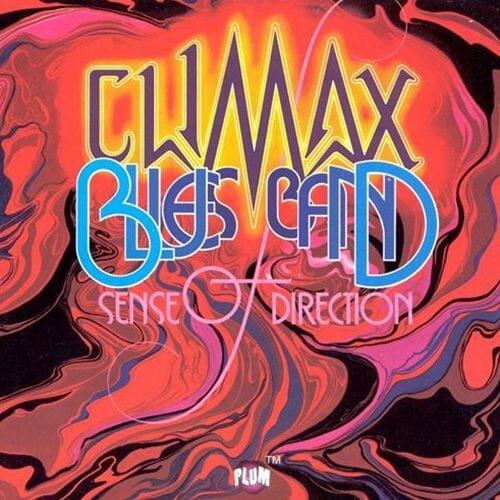
 View Artist