Song Meaning
The lyrics paint a picture of a relationship teetering on the brink, questioning past missteps while clinging to a hopeful, almost desperate, future. The narrator grapples with a sense of lost potential, wondering where the "magic" and "tragedy" that once defined their path went awry. This internal conflict fuels a persistent, yet fragile, assertion: "the best is yet to come."
The central tension lies in the contrast between the perceived failure of the present and the unwavering belief in a brighter future. The repeated questions, "What did we do wrong?" and "Where did we go wrong?", highlight a deep uncertainty about the relationship's current state. Yet, this doubt is consistently countered by the emphatic declaration, "you know I'm right / When I say the best is yet to come," suggesting a powerful, perhaps irrational, optimism or a plea for reassurance.
The most striking craft element is the juxtaposition of existential questioning with this insistent refrain. The lyrics present a scenario where the relationship is "frightening" and the partner's heart is "achin' and leading you astray," yet the narrator remains fixated on a future that hinges entirely on the partner staying. The plea, "Oh please don't leave me now / 'Cause I know, if you do / None of this will come true," reveals the precariousness of this hopeful outlook; it's contingent on the very person who might be walking away.
This lyrical construction is effective because it captures the raw vulnerability of holding onto hope in the face of potential loss. The repetition of the core phrase acts as both a mantra and a desperate argument, trying to convince both the partner and perhaps themselves that the current pain is merely a prelude to something better. The narrator's burning desire to "get you to stay" underscores the high stakes of this belief, making the assertion of a better future feel both poignant and deeply uncertain.
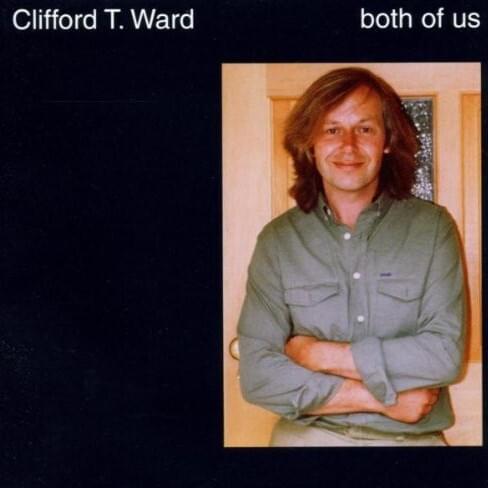
 View Artist