Song Meaning
The lyrics paint a picture of artists or dreamers facing a harsh, judgmental world, personified by the formidable figure of "Marron." There's a palpable sense of shared struggle and uncertainty, with the opening lines admitting "We are lost we are confounded" and acknowledging a lack of definitive answers. Yet, beneath the despair, a defiant spirit emerges, recognizing that "we know how we fare" and that for "dreamers all do practice / We only get one chance." This sets up a central tension between vulnerability and resilience in the face of external critique.
The core conflict revolves around the power Marron wields through his criticism. He "criticises all / For all the world to see," a force that can make or break careers, as suggested by the "moving finger bites." The narrator expresses a visceral reaction to this judgment, declaring, "And to hell with Kevin Marron / When he criticises me." This highlights the deeply personal sting of public scrutiny, even while acknowledging Marron's influence and the paradoxical affection artists might still hold for such a critic, as seen in "Still we love him just the same."
The most striking aspect of the writing is the vivid personification of criticism as a potent, almost predatory force. Marron's "glance" is something to be feared, his "pen grows tired and tame" is a threat, and his "venom" is dished out with apparent relish. The contrast between the artists' precarious position, with "dreams way up in lights," and the critic's power to "bite" creates a dramatic dynamic. The lyrics suggest that while artists strive for recognition and success, they are constantly aware of the judgmental gaze that can undermine their efforts.
Ultimately, the effectiveness of these lyrics lies in their raw portrayal of the artist's vulnerability under the spotlight of critique. The language is direct and confrontational, capturing the emotional toll of judgment while simultaneously asserting a defiant spirit. The narrator’s plea, "But the devil take ya', Marron / When your pen grows tired and tame," is a powerful expression of the fear that true artistic expression might be stifled by a critic who loses their edge, or worse, becomes complacent.
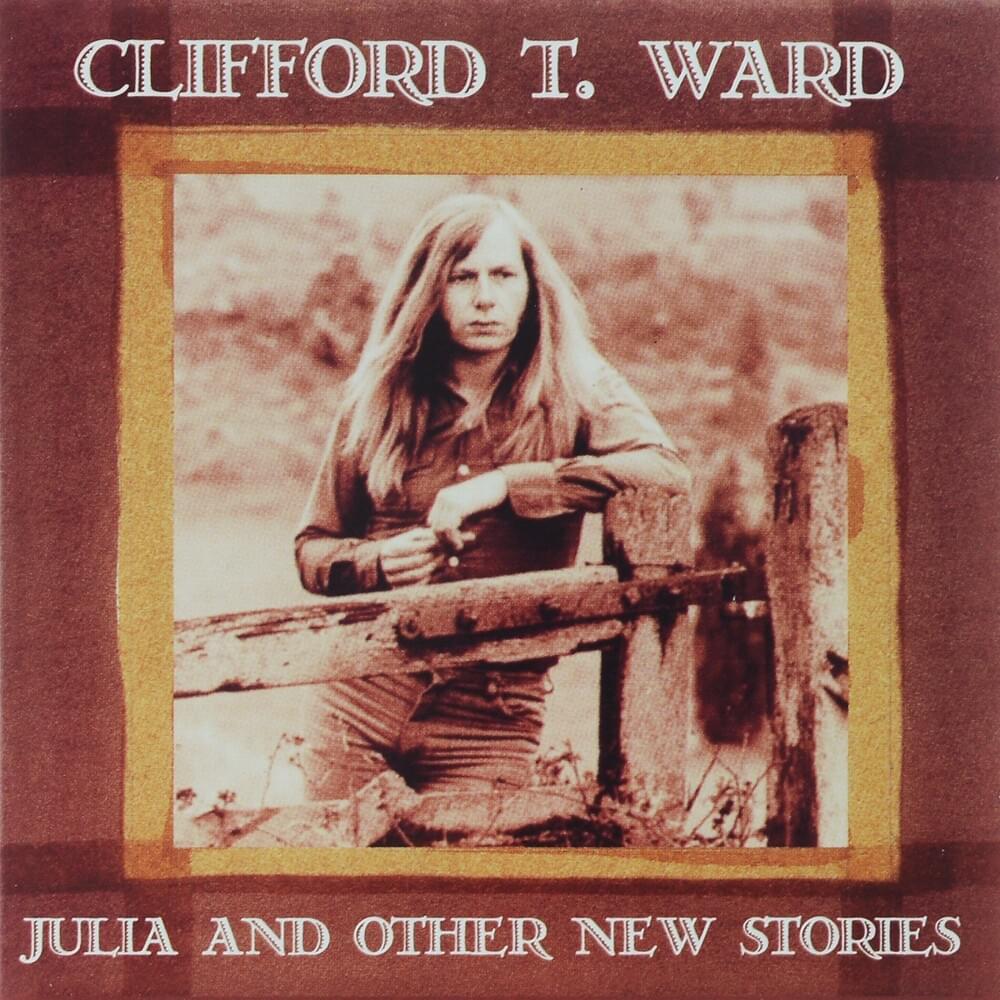
 View Artist