Song Meaning
This track opens with a quiet, almost tactile approach to memory, suggesting a deliberate act of preservation. The narrator keeps certain recollections in a "special book," a physical metaphor for curated remembrance. Even as the "shiny surface fades," the core of the memory, the "face," remains "discernible," hinting at a lasting emotional imprint despite the passage of time and the inevitable decay of detail. This initial image establishes a theme of enduring essence.
The lyrics then pivot to the persistence of meaning, even when external markers change. Words are "tucked away," and while the original "address ain't the same," their "meaning's just discernible." This suggests that core understanding or emotional truth can survive shifts in context or circumstance. However, this internal clarity is contrasted with an external world that seems indifferent and "most unshaken" by personal experience, creating a subtle tension between private significance and public detachment.
The central conflict emerges in the stark admission: "I don't know what I feel / I can't discern what's real." This is where the earlier confidence in discernibility crumbles. The narrator’s ability to hold onto memories and meanings is directly challenged by an inability to grasp present reality or internal emotional states. The repeated phrase "love you just the same", despite acknowledging it's "not such good compensation," underscores a persistent, perhaps unrequited or difficult, affection that exists even amidst this profound uncertainty.
The effectiveness lies in this juxtaposition of internal preservation and external confusion. The craft of contrasting the "special book" and faded "shiny surface" with the chaotic, "unshaken" world outside creates a poignant sense of isolation. The simple, direct language of the chorus, "I can't discern what's real," hits hard because it follows the meticulous cataloging of what *can* be discerned, highlighting a breakdown in the narrator's own perceptual or emotional compass.
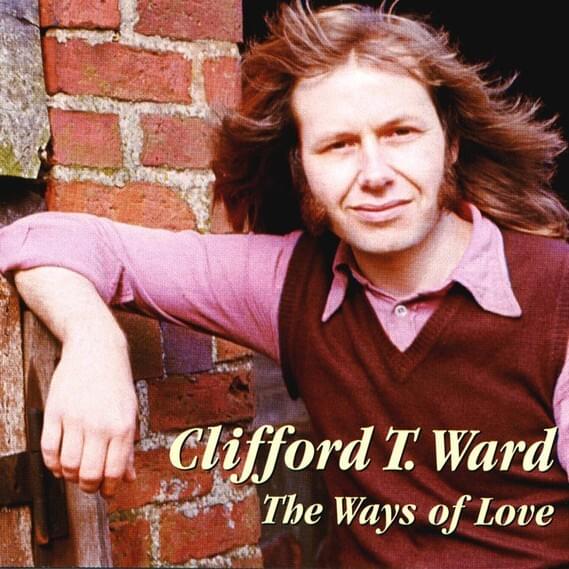
 View Artist