Song Meaning
The lyrics paint a picture of profound sacrifice and eventual, hard-won redemption. We open with stark natural imagery – a "golden dawn" and "silver thorn" – setting a scene that feels both beautiful and precarious. The narrator directly addresses a "you," suggesting a shared experience or a profound personal connection to the events unfolding. The phrase "It was all for you and me" anchors the subsequent narrative in a deeply intimate context, even as the scene shifts to a "ragged hill" where a figure "was dying / And he's dying still."
The central tension arises from this dying figure, who is explicitly linked to a divine or messianic role: "Oh my Lord / You were born to set men free." This sacrifice, however, seems to have been met with profound indifference or cruelty, as later lines reveal "Hungry mouths he fed" but received "none / Not a sip of wine / Or a crust of bread." The contrast between the figure's selfless act and the world's rejection creates a powerful emotional core, highlighting the pain of unacknowledged love and service.
The most striking image is the return of "the love we knew" likened to "wild geese." This simile suggests a natural, perhaps cyclical, return of something precious that had been lost or suppressed. The "mission bells" and "signal fires" ringing and burning further amplify this sense of liberation and hope, indicating a collective awakening or a significant shift towards "everlasting peace." The "closest heart" is the only one that could have held onto faith in love as more than "a dying art," underscoring the difficulty and rarity of maintaining such belief in the face of hardship.
Ultimately, the lyrics resonate because they articulate a deep-seated human yearning for recognition and the eventual triumph of love, even after immense suffering and betrayal. The juxtaposition of the brutal indifference shown to the dying figure with the imagery of returning wild geese and ringing bells creates a potent emotional arc. It’s a testament to the enduring power of love and sacrifice, suggesting that even when met with harshness, its return is inevitable, carried on the winds like a flock of wild geese.
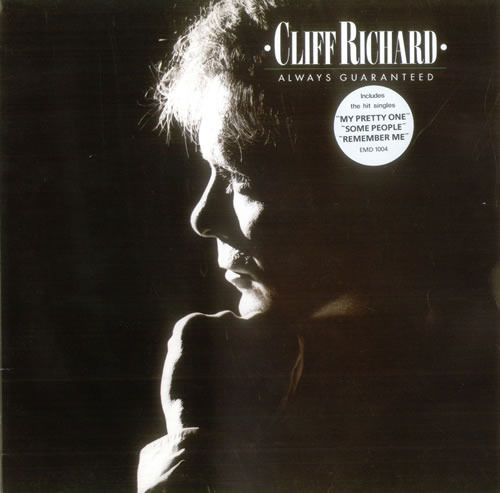
 View Artist