Song Meaning
The lyrics offer a peculiar kind of solace, suggesting that true love isn't found but rather arrives when one adopts a specific, almost performative, state of being. The opening lines command a deceptive cheerfulness: "Pretend you're smiling when you're blue" and "Pretend you're happy when you're sad." This isn't about genuine emotional transformation, but about projecting an outward appearance of contentment, as if love itself is drawn to a facade of happiness rather than authentic feeling.
The central tension lies in this paradox: the advice is to wait for love, yet the method prescribed involves a kind of acting. The repeated phrase "Dear and true love will come to you" acts as a mantra, but it's paired with the instruction to "Pretend you found the one you prayed for." It seems the narrator believes that by mimicking the state of having found love, one can somehow attract its genuine arrival. This creates a disquieting loop where authenticity is suspended in favor of a hopeful charade.
The most striking element is the peculiar reasoning given for this waiting game: "Young emotions can't break her heart in two." This line is ambiguous, possibly referring to the potential recipient of love or even the abstract concept of love itself. Regardless, it suggests a fragile entity that needs protection, and the prescribed pretense is framed as a shield. The repetition of "wait until love come to you" reinforces this passive, almost ritualistic approach to romance, where active seeking is replaced by a hopeful, deceptive stillness.
Ultimately, the effectiveness of these lyrics hinges on their unsettling, almost naive, prescription for attracting love. It taps into a universal desire for connection but offers a strategy that feels both strangely simple and deeply complex. The insistence on pretense as a pathway to genuine affection leaves the listener contemplating the nature of hope and the masks we wear in its pursuit.
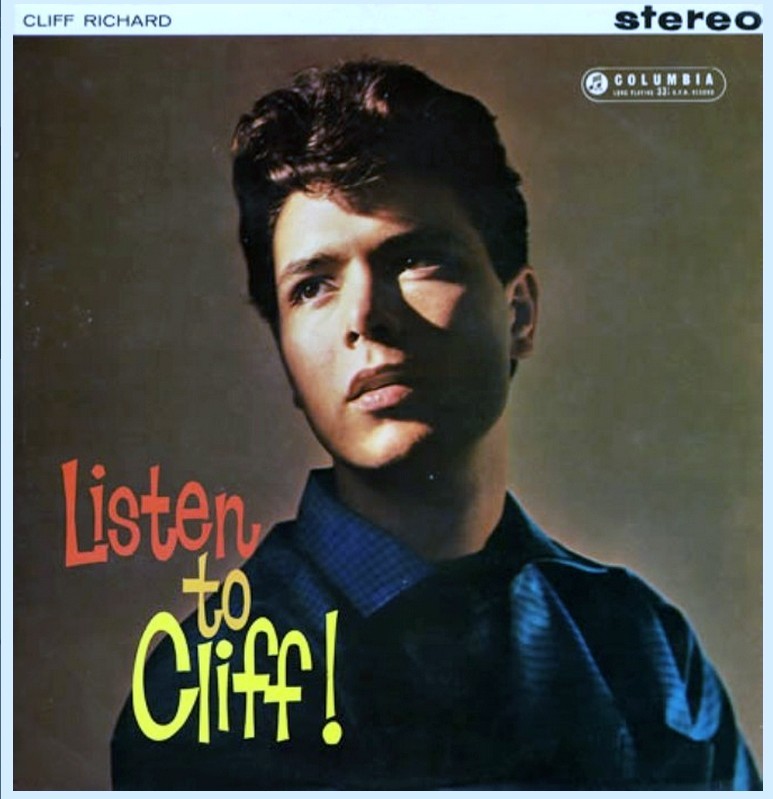
 View Artist