Song Meaning
The narrator feels an overwhelming, almost physical restlessness, comparing herself to a 'willow in a windstorm' and a 'puppet on a string.' This internal agitation is so potent that she attributes it to 'spring fever,' even though the season hasn't arrived. The lyrics immediately establish a sense of unease and anticipation that defies the calendar.
This feeling is characterized by a peculiar blend of 'starry-eyed' optimism and 'vaguely discontented' longing. She's like a 'nightingale without a song,' possessing the potential for joy but lacking its expression. The central tension lies in this disjunction: an internal emotional state that doesn't align with external reality, prompting the repeated question, 'Why should I have spring fever / When it isn't even spring?'
The bridge reveals the specific nature of this longing: a desire for the unknown and the new. She wishes to be 'somewhere else,' encountering 'a man I've yet to meet,' suggesting a yearning for romantic or transformative experience. This escapist fantasy is further detailed in the final verse, where she's 'busy as a spider spinning daydreams,' creating an internal world of imagined happiness.
The effectiveness of these lyrics hinges on their precise, almost paradoxical descriptions of emotion. The narrator is 'happy as a baby on a swing' yet 'gay in a melancholy way.' This nuanced portrayal captures the complex, often contradictory feelings of anticipation and dissatisfaction that can arise when one feels on the cusp of change, even without concrete cause. The repeated refrain, 'It might as well be spring,' becomes an acceptance of this internal season, regardless of the external one.
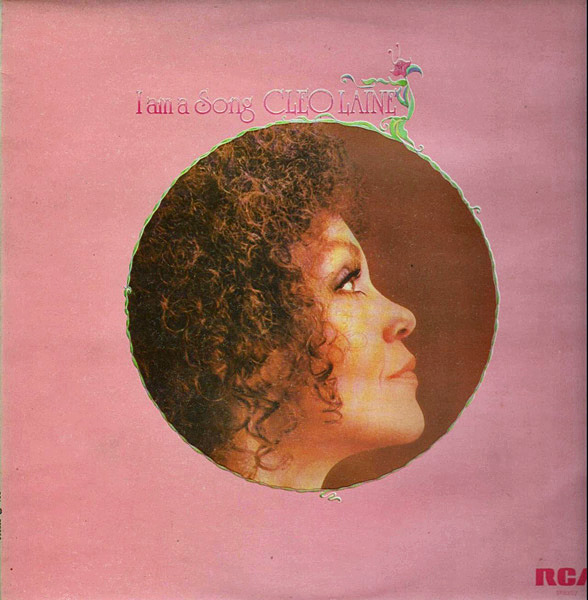
 View Artist