Song Meaning
The narrator observes a world brimming with romance, yet feels conspicuously excluded from it. "They're writing songs of love," the lyrics state, immediately followed by the stark, repeated refrain, "But not for me." This sets up a poignant contrast between the perceived universal experience of love and the narrator's personal isolation. Even a "lucky star" offers no solace, suggesting a sense of cosmic indifference to their plight. The imagery of "clouds of gray" paints a picture of persistent melancholy, a mood so profound it surpasses the dramatic despair found in literature.
The core of the song lies in the narrator's self-recrimination and lingering attachment. They admit to being "a fool to fall," acknowledging a past vulnerability that led to this emotional state. The archaic exclamations like "Heigh-ho, alas! and alackaday" amplify a sense of theatrical, almost performative, sadness. Yet, despite recognizing the futility of the situation, the memory of a past intimacy, specifically "his kiss," remains potent. This creates a central tension between the rational understanding that the relationship is over and the emotional difficulty of letting go.
The effectiveness of these lyrics hinges on their directness and the subtle, almost weary, resignation they convey. The repetition of "But not for me" hammers home the narrator's feeling of being an outsider. The comparison to a "Russian play" is a particularly sharp detail, suggesting a depth of sorrow that feels almost too dramatic to be real, yet the narrator insists their own grayness is even more guaranteed. The final, drawn-out "he's not, he's not for me" feels less like a definitive statement and more like a sigh, a reluctant acceptance of a painful truth. It’s this blend of melancholic observation and personal regret that makes the narrator's loneliness so palpable.
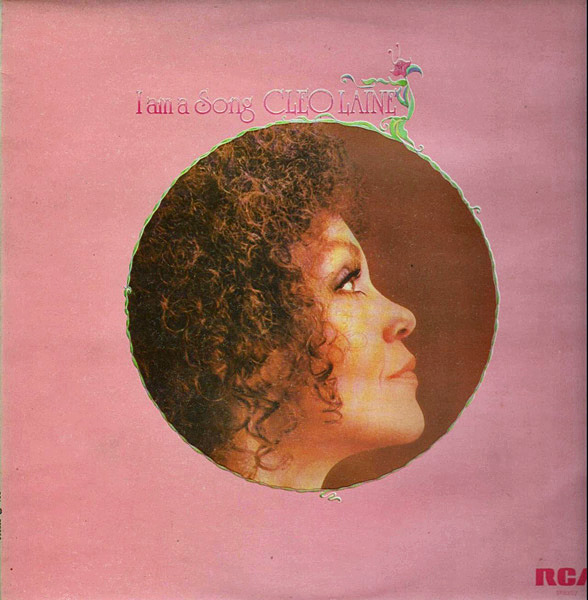
 View Artist