Song Meaning
The lyrics paint a picture of quiet resignation and intimate defiance. The narrator acknowledges limitations, stating plainly, "There are things that we will never do" and "places we will never go." This acceptance of boundaries sets a somber stage, suggesting a life lived within defined, perhaps unfulfilled, parameters. The question "What can you do?" hangs heavy, implying a lack of agency against predetermined fates or unfulfilled "peaceful dreams."
The core tension emerges from the contrast between external limitations and internal desires for connection and impact. The narrator and their companion are "flowers blooming in the dark," a striking image of beauty and life persisting in obscurity. They are also "soldiers that will never fight," highlighting a passivity that paradoxically leads to a powerful, albeit private, form of salvation. This paradox is central: their inability to engage in grand, external actions is reframed as the source of their intimate power.
The most compelling craft lies in the juxtaposition of grand, almost revolutionary, imagery with mundane, personal settings. "Save the world in our bed tonight" is a potent example, shrinking global stakes to a private, shared experience. The idea of making "it smoke without a spark" suggests generating passion or significance from seemingly nothing, a testament to their unique bond. The repetition of "We are flowers blooming in the dark" and "We can save the world in our bed tonight" reinforces this theme of finding profound meaning in overlooked or confined spaces.
Ultimately, these lyrics resonate because they capture a specific kind of emotional truth: the power of intimacy to create a universe when the external world feels restrictive or indifferent. The writing transforms a sense of powerlessness into a source of private strength, suggesting that profound connection can be its own form of revolution. The final shift to "save the world in this bar tonight" offers a slight expansion, hinting that this intimate defiance can extend beyond the bedroom, finding moments of shared significance in public, yet still contained, spaces.
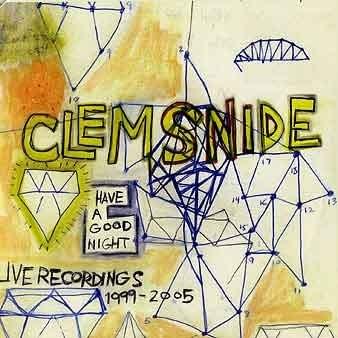
 View Artist