Song Meaning
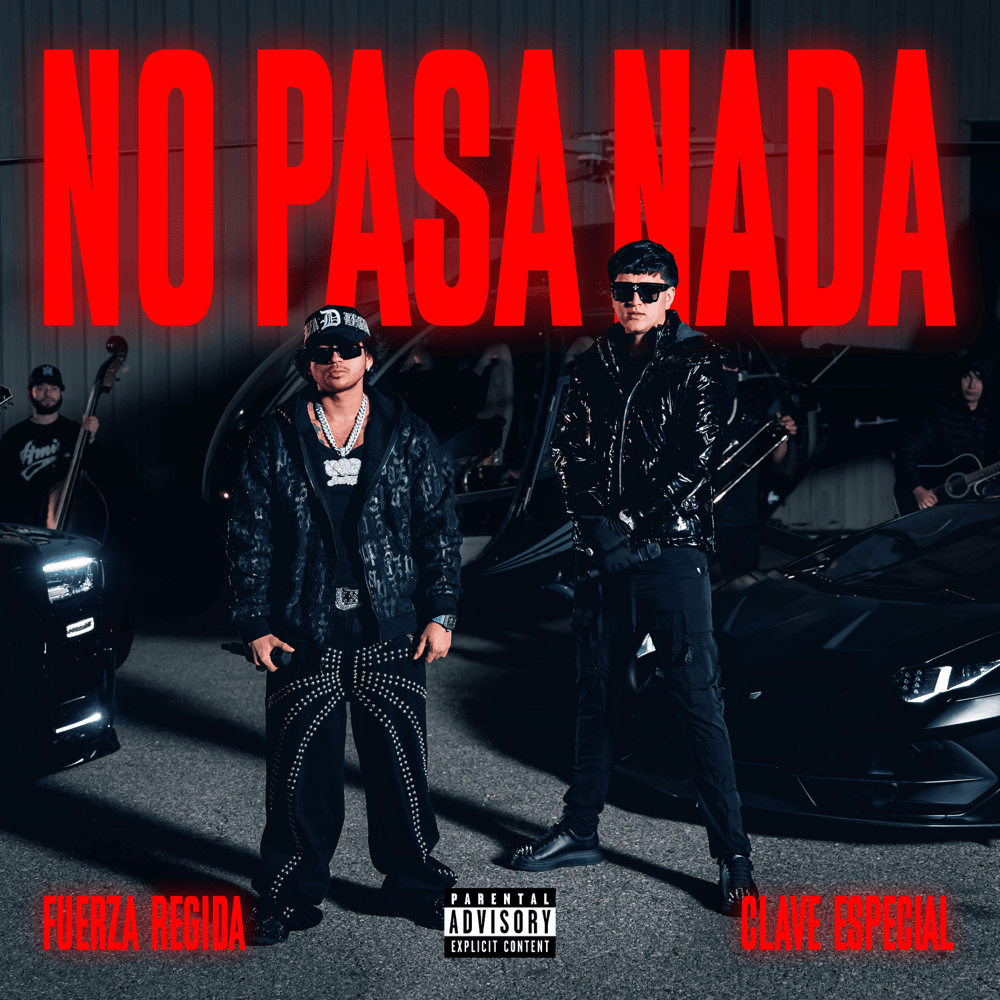
The lyrics paint a picture of someone who has faced significant danger and emerged unfazed, projecting an aura of control and resilience. The opening lines immediately establish a sense of high-stakes activity, with the narrator describing passing by "supercargado" and the "Doble S" roaring, suggesting a powerful, perhaps illicit, operation. The phrase "Ya la muerte, ya la tuve cerca" (Death, I've had it close) sets a tone of past brushes with mortality that have seemingly desensitized them, leading to a fearless acceleration. This isn't just bravado; it's framed as a consequence of a life where "Nada se dio fácil, pero le atoramos" (Nothing came easy, but we pushed through), implying a history of struggle and determined effort.
The central tension revolves around this hardened demeanor and the narrator's perceived threat. The repeated chorus, "No pasa nada" (Nothing happens), acts as a defiant shield against external judgment or intimidation, specifically "si me miran con la beliqueada" (if they look at me with suspicion/aggression). This suggests a public persona that might be perceived as dangerous or controversial, yet the narrator insists on their composure and continued success, boasting about expanding influence across "Veintidós estados" (twenty-two states) and maintaining close ties with "los jefes" (the bosses). The assertion "Traemos el mando" (We hold the command) solidifies this position of authority despite any outward scrutiny.
A striking element is the juxtaposition of this tough, command-oriented persona with glimpses of personal life. In Verse 2, the narrator mentions "Mi morenita, la cara finita" (My dark-skinned girl, with the delicate face) and "mi güerita no se me agüita" (my fair-skinned girl doesn't get upset). This contrast between the high-octane, potentially dangerous world implied in the verses and the presence of loved ones adds a layer of complexity, suggesting that this hardened exterior might be a protective shell for a more personal life, or perhaps a demonstration of the narrator's ability to manage both spheres.
Ultimately, the effectiveness of these lyrics lies in their confident, almost nonchalant delivery of serious implications. The repeated "No pasa nada" isn't just a statement of fact but a psychological defense mechanism and a declaration of power. It suggests that the narrator has transcended fear through experience, and whatever threats or judgments come their way are merely background noise to their ongoing success and control. The lyrics create a compelling image of someone who has navigated extreme circumstances and emerged not just intact, but in command.
 View Artist