Song Meaning
The lyrics paint a vivid picture of a solitary listener, deeply moved by the melancholic strains of a "tsigano" (Gypsy) violinist. The narrator implores the musician to play for them, suggesting a shared, unspoken sorrow. The dominant tone is one of longing and remembrance, amplified by the evocative imagery of a distant love and a "secret pain."
The central tension lies in the narrator's emotional response to the music, which mirrors their own heartache. The violin's cry seems to echo a past romance, specifically a "tango of love" that once bound their heart to another. This connection is framed as both beautiful and painful, a memory that causes the narrator's heart to tremble, much like the violinist's hand might tremble from their "secret pain."
The craft here is in the direct address and the personification of the violin's sound. The narrator asks the violin if it, too, is thinking of a "love, down there." This rhetorical question blurs the line between the musician's emotion and the music itself, suggesting the instrument is a conduit for profound feeling. The repetition of "Fa tremar la tua mano / Questo tango d'amor / Fa tremare il mio cuor" powerfully links the physical act of playing with the emotional impact on the listener.
Ultimately, the lyrics resonate because they capture the universal experience of music acting as a catalyst for memory and emotion. The "tsigano" violinist and their instrument become a focal point for the narrator's introspection, transforming a simple performance into a deeply personal and poignant moment of connection to a lost love. The music doesn't just entertain; it unlocks a flood of feeling, making the past intensely present.
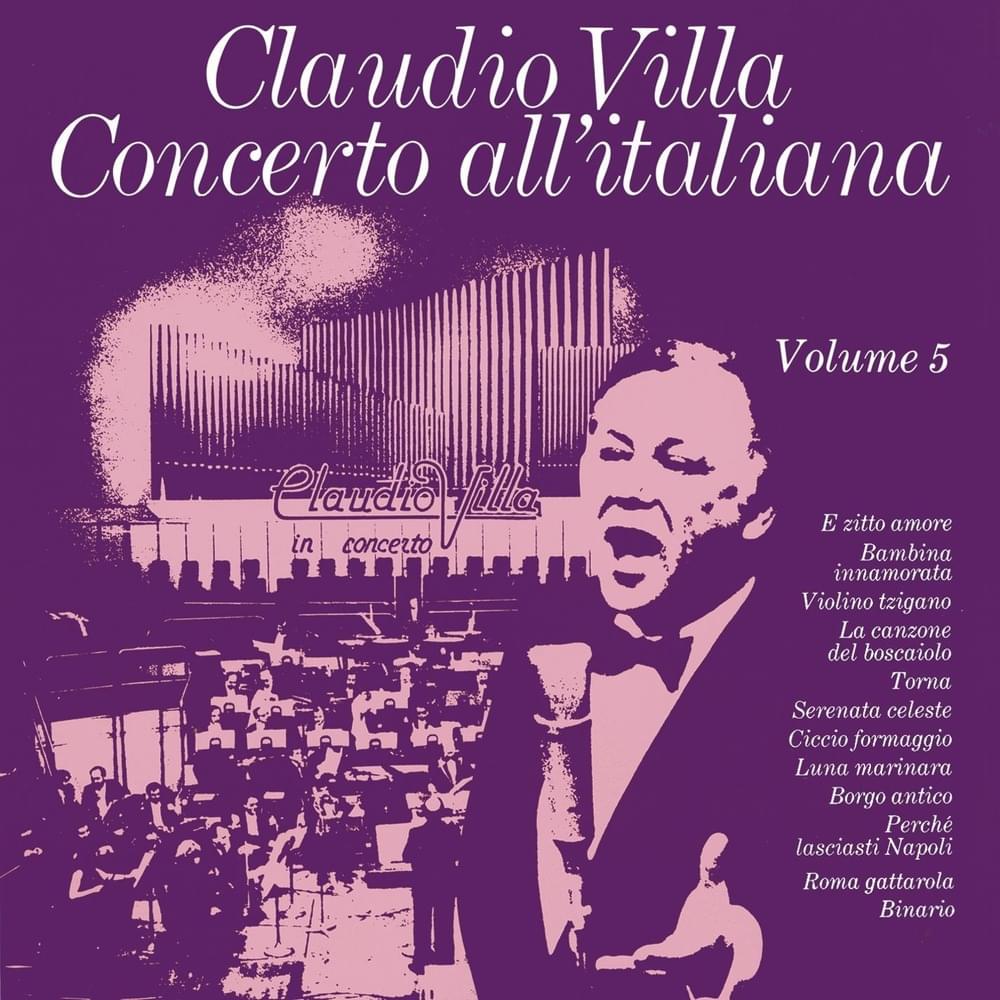
 View Artist