Song Meaning
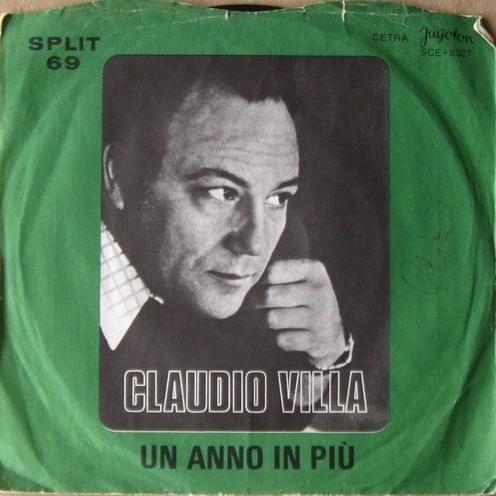
The lyrics paint a picture of enduring love anchored by specific, cherished memories. The narrator revisits places from his past – his childhood home, the street where he met his lover, and the beach where their romance began – describing them as a timeless tableau. These locations aren't just backdrops; they are imbued with the weight of significant life moments, forming a foundation for the present.
The central tension lies in the contrast between the passage of time and the constancy of love. The repeated phrase "Un anno in più, cent'anni in più, non cambia niente" (One more year, a hundred more years, nothing changes) emphasizes this. The external world, represented by the sea and the sky, remains a steadfast presence, mirroring the narrator's perception of his relationship. This unchanging natural world serves as a powerful metaphor for the enduring nature of his feelings.
The most striking aspect of the writing is how the narrator connects personal experience to the eternal. The "suono di chitarra" (sound of guitar) gently swaying in the wind evokes a sense of peaceful, ongoing presence, much like the sea. The lyrics suggest that true love provides an inexhaustible source of inspiration and vitality, described as "la fantasia della mia vita" (the fantasy of my life). This internal richness, gifted by the beloved, makes external time feel insignificant.
Ultimately, the effectiveness of these lyrics stems from their simple yet profound assertion of love's permanence. By grounding the abstract concept of eternal love in concrete memories and unchanging natural elements, the song creates a feeling of deep security and unwavering devotion. The final lines, "Il cielo è sempre uguale, non si spegnerà mai, come l'amore che tu mi dai" (The sky is always the same, it will never go out, like the love you give me), solidify this message, offering a comforting vision of a love as constant and reliable as the stars.
 View Artist