Song Meaning
This song paints a vivid picture of a longing for a past homeland, specifically Argentina, described as "Vecchia Argentina." The narrator recalls a time of joy and gentleness, where "april laughs eternal" on the savannas, a scene filled with "a thousand flowers." This idealized memory is deeply intertwined with sensory details: the "ardent rhythm of mad bandoneóns" and the "song of the habaneras," evoking a powerful sense of passion and a specific cultural soundscape. The lyrics establish a clear emotional core of homesickness and a fervent desire to return.
The central tension lies in the narrator's departure from this cherished land, stating, "Terra che un dì lasciai" (Land that I once left). Despite the separation, the promise of return is strong: "Mai ti potrò scordar" (I will never be able to forget you) and "Presto mi rivedrai / Felice da te tornar" (Soon you will see me again / Happy to return to you). This creates a poignant contrast between the present absence and the anticipated reunion, fueled by deeply ingrained memories.
The recurring image of the "rancherita" serves as a focal point for this longing, representing the "first dream of love" that once captivated the narrator's heart with "a kiss." This personal connection to a specific place and person amplifies the emotional weight of the desire to return, making it more than just a general yearning for home. The repetition of "Ti rivedrò" (I will see you again) throughout the song, culminating in the emphatic "Io ti rivedrò!" (I will see you again!), underscores the unwavering hope and determination.
Ultimately, the lyrics resonate because they tap into a universal feeling of nostalgia and the powerful pull of formative memories. The specific cultural markers – the bandoneón, the habaneras, the imagery of the savanna – ground the emotion in a tangible, evocative setting. The narrator's unwavering promise to return, anchored by the memory of love and the vibrant spirit of Argentina, creates a compelling narrative of hope against absence.
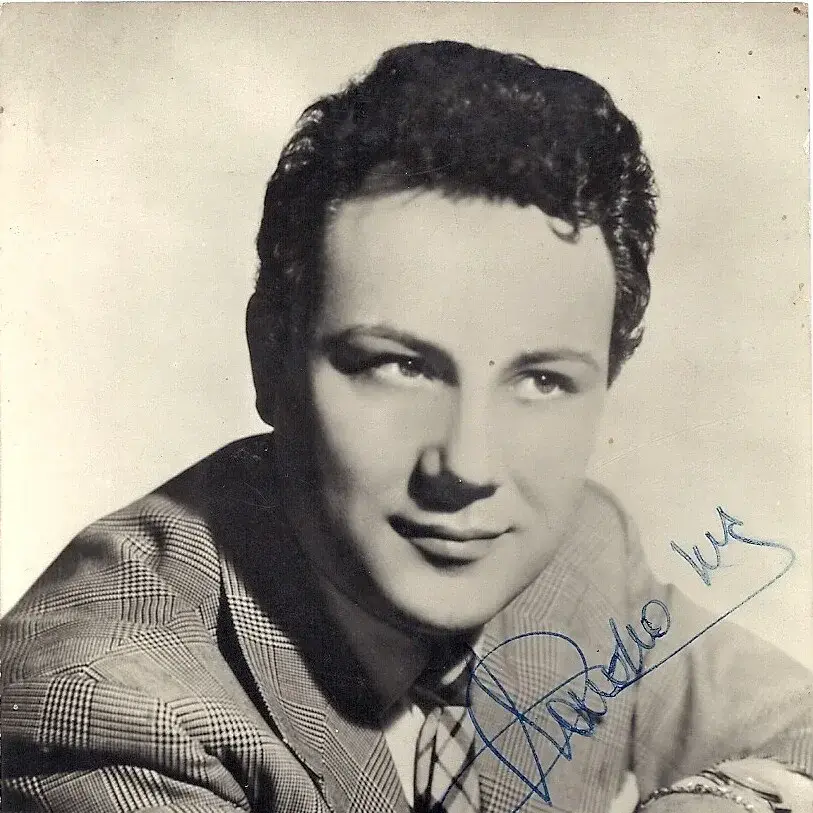
 View Artist