Song Meaning
The lyrics paint a stark, heartbreaking scene of a final parting on a wet, muddy road. The narrator is confronted with a lover's tearful declaration of incompatibility, "Nun so' fatta pe' tte" (I'm not made for you), immediately followed by a kiss and a departure. This sets up a profound emotional conflict: the lover claims they aren't meant to be, yet their actions—the tear, the kiss—suggest a deeper, unresolved feeling.
The central tension lies in the agonizing contradiction of saying goodbye while simultaneously expressing love and desire to stay. The narrator asks, "Tu vuó restà, ma te ne vaje?" (You want to stay, but you're leaving?) and "Te voglio bene e dico: 'Va'?" (I love you and I say: 'Go'?). This internal struggle between affection and the painful necessity of separation is the emotional core, amplified by the setting of "'Mmiez'a 'na strada 'nfosa" (In the middle of a muddy road), a place that feels as bleak and messy as the emotions involved.
The most striking aspect is the narrator's passive yet active role in the separation. Despite the pain, described as "ca mme ne moro" (that I'm dying from), they are the one letting the lover leave. This self-destructive act of saying "Go" out of love, while wanting them to stay, is a powerful portrayal of sacrifice or perhaps a desperate attempt to end the suffering by forcing a clean break, even if it shatters them.
This lyrical craft is effective because it grounds complex emotional turmoil in a visceral, tangible moment. The image of the "strada 'nfosa" becomes a metaphor for the messy, difficult circumstances of their relationship's end. The direct, almost conversational questions highlight the confusion and pain, making the narrator's impossible choice resonate deeply, capturing the raw ache of loving someone enough to let them go.
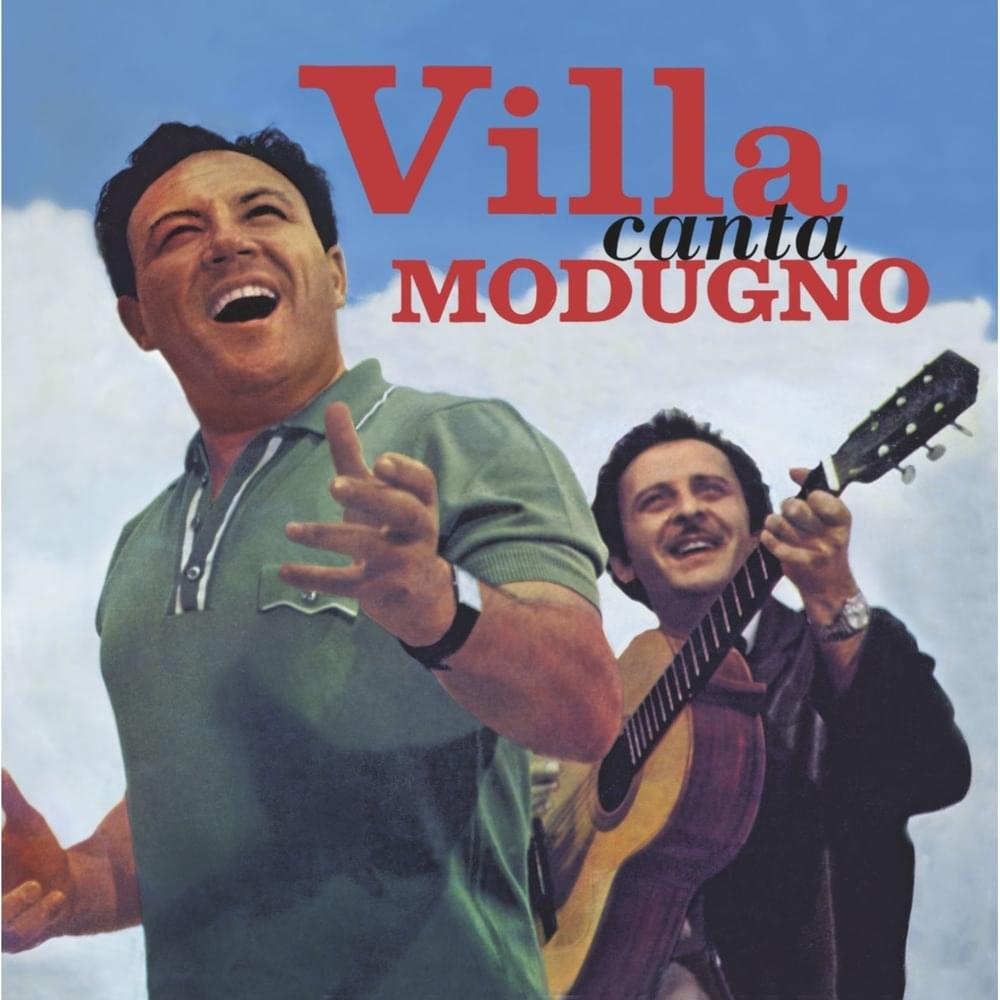
 View Artist