Song Meaning
The narrator begins with a boisterous invitation to his friends, insisting they stay and drink, proclaiming "Stasera pago io" – tonight, I'm paying. This initial scene is one of convivial excess, fueled by alcohol and a grand romantic gesture: serenading a past lover at her balcony. The repetition of "Stasera pago io" emphasizes a fleeting, perhaps desperate, generosity, a way to hold onto the moment and the company.
The mood dramatically shifts when the narrator's focus turns to the object of his affection's balcony, revealing a deeper, more painful motivation. He observes her window is "ancora illuminata" (still lit), suggesting she's awake, and chillingly adds, "Colei che mi lasciò non può dormire" (She who left me cannot sleep). This hints at a lingering connection or perhaps his own projection of her unrest onto his own.
The most jarring turn comes with the confrontation with the "vecchia portiera" (old concierge). The narrator's aggressive dismissal of her concerns – "Dormi e non mi scocciare" (Sleep and don't bother me) – is brutally interrupted by her revelation: "È morta stamattina..." (She died this morning...). This news shatters the narrator's delusion and the entire premise of his serenade.
The final verses reveal the devastating impact of this truth. The earlier insistence on paying for drinks and the grand romantic gesture are replaced by a desperate plea for his friends to leave, "Andatevene via" (Go away). The repeated "Stasera pago io" now carries the crushing weight of "Col mio dolor" (With my pain), transforming the initial bravado into a solitary, profound grief. The craft here lies in the stark contrast between the narrator's initial, alcohol-fueled fantasy and the brutal reality delivered by the concierge, leaving him utterly alone with his sorrow.
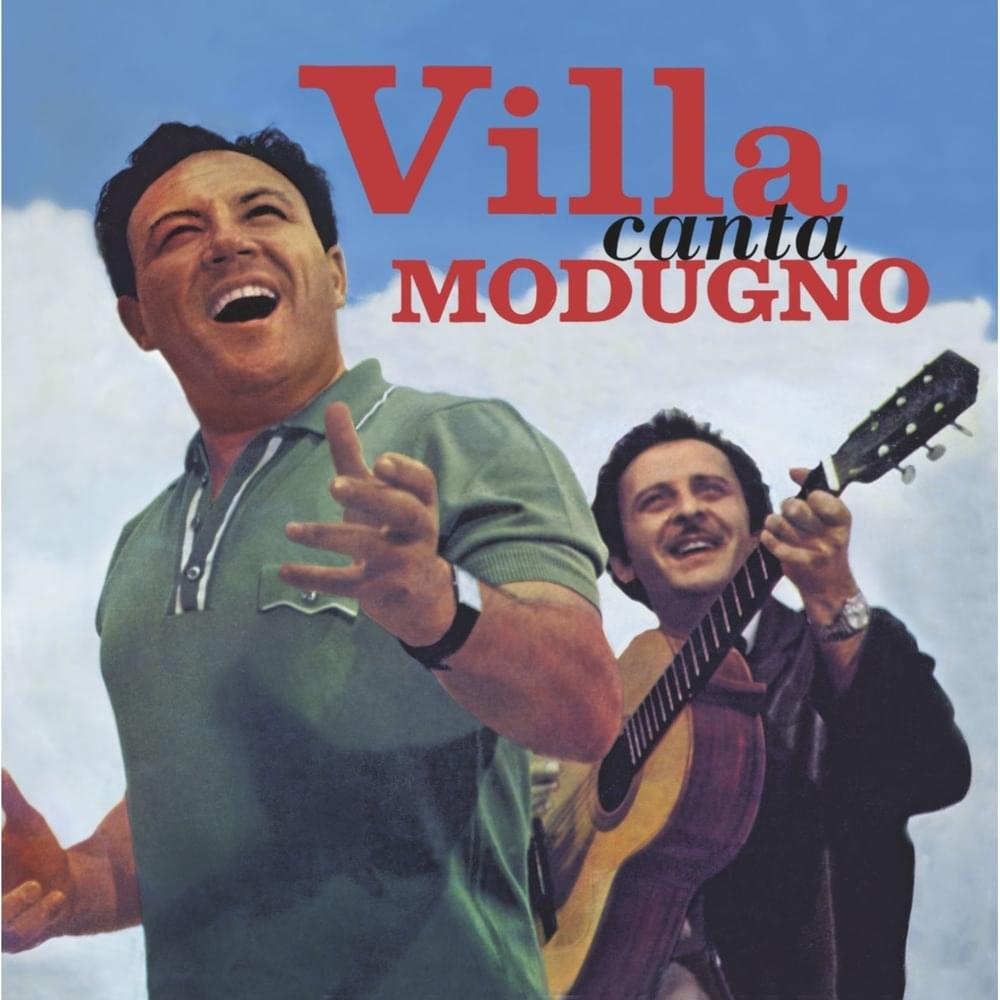
 View Artist