Song Meaning
The lyrics paint a poignant picture of departure from Rome, personifying the city into a lover or a cherished entity. The narrator observes the Tiber River transformed into a shimmering braid of silver, a striking image that elevates the mundane to the magical, setting a tone of deep affection and impending loss. A serenade drifts over a bridge, and even Villa Borghese seems to speak, questioning the narrator's decision to leave a place seemingly made for them. This anthropomorphism imbues the city with a living presence, amplifying the emotional weight of the farewell.
The central tension lies in the forced separation from 'Roma mia,' a departure dictated by an inescapable destiny. The narrator feels their heart chained to the city, pleading for a star as a memento, a celestial token to carry with them. The recurring question from every fountain, "Ma perché 'sto romano se perde la felicità?" (Why is this Roman losing happiness?), directly articulates the narrator's internal conflict and the perceived tragedy of leaving their home and its inherent joy.
The most striking craft element is the consistent personification of Rome and its landmarks. The river becomes a 'braid of silver,' the villa speaks, and the fountains lament. This technique transforms the city from a mere setting into an active participant in the narrator's emotional drama. The repetition of the fountains' question emphasizes the perceived irrationality of the departure, making the narrator's pain feel both personal and universally understood within the context of leaving a beloved place.
Ultimately, these lyrics resonate because they tap into the profound ache of leaving home, especially a place as iconic and deeply felt as Rome. The writing doesn't just state sadness; it shows it through vivid imagery and dialogue with the city itself. The plea to chain the heart and take a star highlights a desperate attempt to hold onto a connection that is being physically severed, making the farewell feel intensely personal and heart-wrenching.
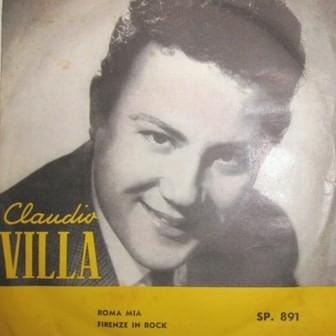
 View Artist