Song Meaning
This track paints a picture of a heart that's hopelessly devoted to someone who no longer reciprocates. The narrator addresses their own "poor heart," lamenting its continued affection for a love that's gone. The lyrics establish a clear emotional landscape: one of lingering attachment and the painful awareness of being forgotten. The repeated phrase "Povero cuore" immediately sets a tone of pity and self-reproach for this persistent, unrequited feeling.
The central tension lies in the heart's own agency versus the narrator's desire to move on. The narrator recalls how the heart used to beat intensely at the sight of "her," suggesting it was the heart itself that drove the pursuit of this love. The line "Ma fosti proprio tu / A volere da lei l'amore" is a direct accusation, shifting blame from the external object of affection to the internal organ's own desires. This creates a conflict between the narrator's present-day wish to forget and the heart's past insistence on holding onto the memory.
The most striking aspect of the craft is the personification of the heart as a separate entity, almost a character with its own will. The narrator pleads with this "poor heart" to stop thinking about the past and to embrace a new joy, to "ridere con me" (laugh with me). This internal dialogue highlights the struggle to detach from a painful past, framing it as a battle against one's own deeply ingrained emotions and desires.
Ultimately, the lyrics resonate because they capture the universal experience of trying to outrun a love that still has a hold. The direct address to the heart makes the internal struggle tangible, transforming a common heartache into a poignant conversation. The plea for the heart to join in present joy offers a glimmer of hope, grounded in the simple, yet profound, act of choosing to live in the now.
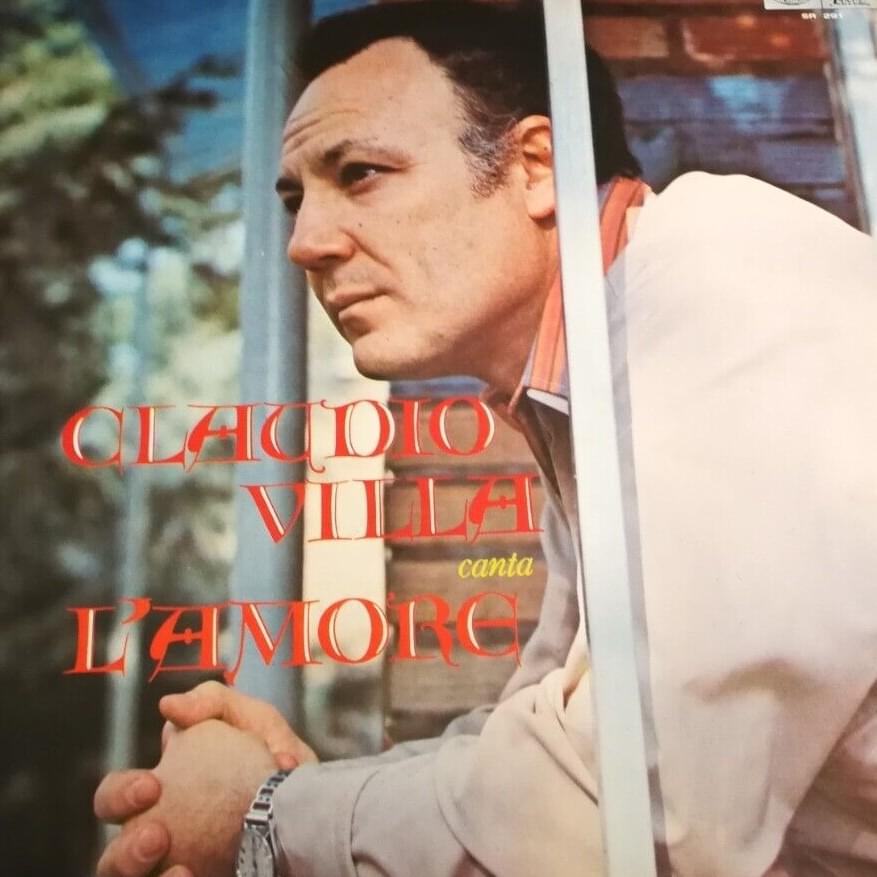
 View Artist