Song Meaning
The lyrics paint a stark picture of returning to a vast, seemingly serene sea at dawn, only to find it mirroring a profound, lingering sadness. The narrator is explicitly seeking a lost dream, but the overwhelming sensory experience is one of emptiness and a bitter taste, directly linked to tears. This isn't a peaceful contemplation of nature; it's a landscape charged with personal despair.
The central tension arises from the sea's deceptive appearance. Its clarity and vastness, initially perhaps inviting, are reinterpreted as treacherous. The narrator directly equates this deceptive quality to the eyes of a past love, described as having the same clear, blue color. This connection transforms the sea from a mere backdrop into a potent symbol of betrayal and lost affection, where beauty masks a painful reality.
The most striking craft element is the direct personification and accusation leveled at the sea: "che più sei chiaro e più sei traditore" (the clearer you are, the more you are a traitor). This isn't just a metaphor; it's a direct address, imbuing the natural element with the agency of deceit. The repetition of "mare, mare" reinforces this obsessive focus, while the contrast between the sea's outward beauty and its perceived internal bitterness ("sapore amaro") mirrors the narrator's own internal state. The inability to find solace or escape, even in the sea's immensity, highlights a deep emotional paralysis.
Ultimately, the lyrics resonate because they articulate a specific kind of heartbreak: the pain of seeing beauty that is inextricably linked to past hurt. The sea becomes a mirror for a love that was both captivating and destructive, leaving the narrator adrift, unable to move on or even find the strength to succumb to despair. The final lines, "E tu ti porti il cuore mio con te" (And you carry my heart with you), encapsulate the feeling of being utterly consumed by this unresolved sorrow, forever bound to the treacherous allure of what was lost.
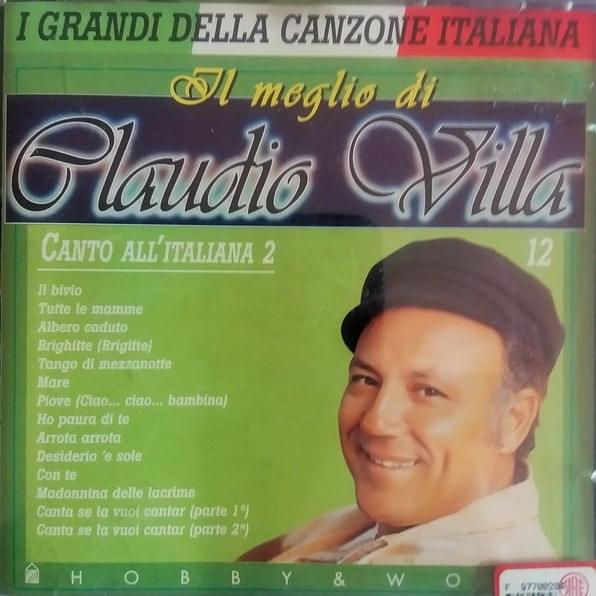
 View Artist