Song Meaning
The lyrics paint a stark picture of abandonment and a powerful, almost elemental force taking over. The repeated address to "Cannetè" immediately establishes a sense of personal loss, with the narrator stating, "Mo nun songo chiù niente pe' tte" (I am nothing to you now). This feeling is echoed by nature itself, as "'Sto mare 'o 'ssape già / 'O viento 'o vvò sapè" (This sea already knows it, the wind wants to know it), suggesting the natural world is a witness to this emotional shift. The image of a "padrone 'e paranza" (owner of a fishing boat) embarking from Castellammare adds a specific, grounded detail to this scene of departure, perhaps symbolizing a definitive leaving.
The central tension lies in the overwhelming power of the "Maistrale," a strong northwesterly wind, which the narrator identifies with. "Nun 'o siente 'o Maistrale?" (Don't you feel the Maistrale?) is a direct question, implying this force is undeniable and all-encompassing. The wind "cummanna 'sti vvele" (commands these sails), highlighting its control over direction and fate. The "ciento nuvole nere" (a hundred black clouds) descending upon "'st'onne d'argiento" (these silver waves) create a dramatic visual of impending storm and darkness, a stark contrast to any past serenity. This imagery serves to amplify the narrator's internal state of turmoil and resignation.
The most striking aspect of the craft is the personification of the Maistrale and its role as a harbinger of "no." The clouds "So' scese stasera / Pe' dicere 'e no" (descended tonight to say no), directly linking the natural phenomenon to a rejection or finality. The narrator then declares, "Io songo ô Maistrale / Tu sî 'o mare pe' mme" (I am the Maistrale, you are the sea to me). This powerful metaphor equates the narrator's current state with the unyielding, dominant force of the wind, while the person addressed is relegated to the passive, vast expanse of the sea. The repetition of this declaration in the bridge reinforces its significance as the emotional core of the song.
This lyrical construction is effective because it externalizes profound personal pain onto a grand, natural canvas. The "Maistrale" becomes more than just wind; it's a force of destiny and emotional dominance that the narrator has become. The stark contrast between the "black clouds" and "silver waves" visually represents the shift from a potentially beautiful past to a dark, inevitable present. The final lines, "Si t'embarche / È fernuta pe' mme" (If you embark, it's over for me), underscore the absolute finality of the situation, leaving the listener with a sense of inescapable fate dictated by this powerful, elemental "Maistrale."
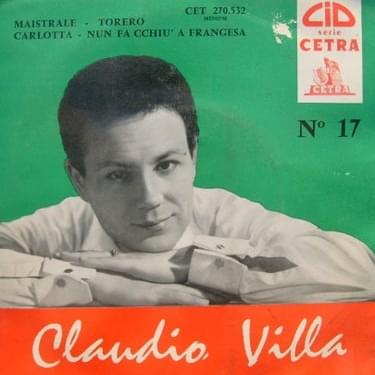
 View Artist