Song Meaning
The narrator recounts a broken promise of eternal love, immediately undercut by betrayal. The initial vows of lifelong devotion are starkly contrasted with the present reality of unforgivable infidelity. This sets up a raw, immediate pain, a sense of finality where forgiveness is impossible despite the lingering ache in the narrator's heart. The declaration, "Mai più ti cercherò" (I will never look for you again), seals this emotional closure.
The central tension hinges on the repeated accusation, "L'hai voluto tu" (You wanted it this way). This phrase isn't just an accusation; it's a definitive statement of cause and effect, placing the blame squarely on the former lover for the dissolution of their relationship. The narrator frames the betrayal not as a shared failing, but as a deliberate choice made by the other person, particularly the act of "fuggisti via" (you ran away), which implies an active abandonment.
The lyrics employ a powerful, almost obsessive repetition of the title phrase, hammering home the narrator's perspective. This isn't a nuanced exploration of a breakup; it's a direct, unyielding assignment of responsibility. The contrast between the initial "eterna fedeltà" (eternal fidelity) and the current state of "tutto falsità" (all falsehood) underscores the depth of the deception. The narrator clings to this narrative of blame as a way to process the pain, even as they acknowledge they will "cercherò sognando" (look for you in dreams) in the future.
This song hits hard because it captures that primal urge to assign blame after deep hurt. The narrator isn't seeking reconciliation; they're seeking validation for their pain by externalizing the cause. The unwavering repetition of "L'hai voluto tu" acts as a shield, a way to distance themselves from the suffering by insisting the other person is solely responsible for the end of their hearts "non s'incontreranno più" (will no longer meet).
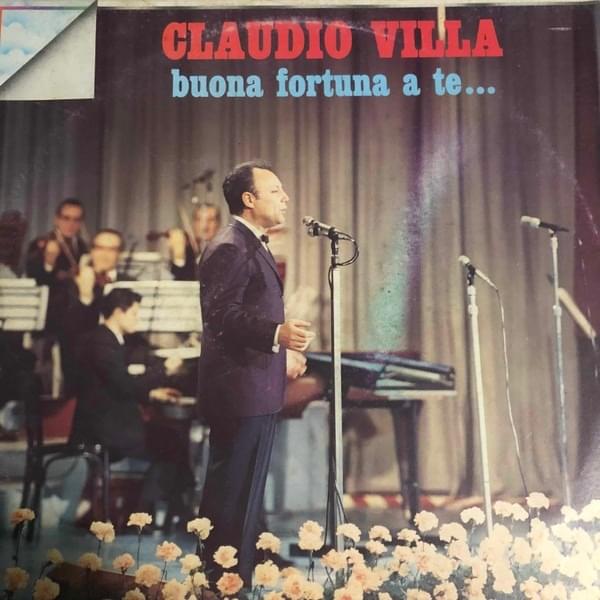
 View Artist