Song Meaning
The lyrics paint a stark picture of persistent emotional pain, where the heart, despite knowing the futility, clings to hope. The narrator addresses their heart directly, urging it to stop deluding itself and to stop waiting for something that will never come. This internal struggle is framed by a recurring sense of dread and decay, marked by "another sad evening" and a "leaf that yellows," signaling the relentless march of time and the deepening of sorrow.
The central tension lies in the conflict between the heart's instinct to survive and the narrator's bleak realization that their efforts are "all in vain." The repeated plea to the heart, "You still hope," highlights this disconnect. The lyrics suggest a profound weariness, where even the prospect of death offers little solace, as the narrator asks if "at least I'll have her near if I die," implying a desperate longing for connection even in the face of oblivion.
The recurring imagery of winter and thorns piercing flesh powerfully conveys the feeling of inescapable suffering. The "leaf that yellows" and the "thorn that enters the flesh" are visceral metaphors for decay and pain that refuse to recede. This cyclical suffering is explicitly named an "inferno," not as a place of fire, but as a state of perpetual emotional torment, intensified by the return of "another sad evening."
What makes these lyrics so effective is their raw, unvarnished portrayal of despair. The direct address to the heart creates an intimate, almost pleading tone, while the stark, naturalistic images of decay and pain ground the emotional experience in tangible sensations. The repetition of "another" emphasizes the relentless, unending nature of this personal hell, making the narrator's resignation feel earned and deeply felt.
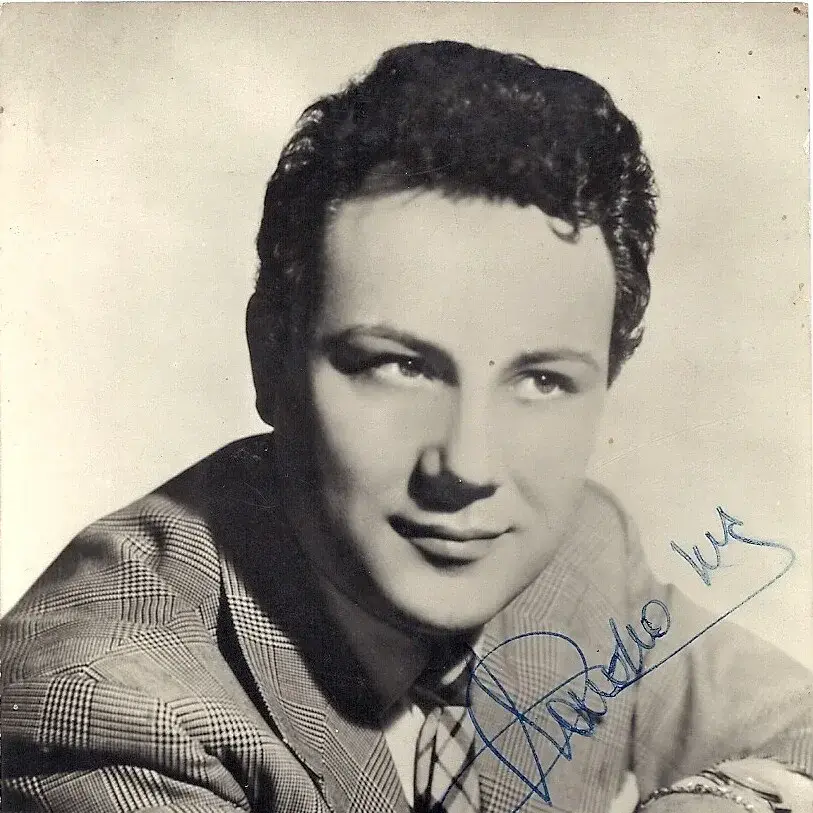
 View Artist