Song Meaning
The lyrics of "Il bivio" plunge us into a classic romantic dilemma: a speaker stands at a crossroads, facing two vastly different paths. One leads to a past love, the other to a new, tantalizing possibility. It's a stark choice between nostalgia and an unknown future, each with its own powerful pull on the heart.
The central tension arises from this vivid contrast. On one side, a "strada polverosa" leads to a "rustica casetta" where "il primo amor" waits, tearful and tied to "il rimpianto d'un bacio e un giuramento." This path is heavy with memory and perhaps obligation. Opposing it is a "strada luminosa" leading to a "villa che m'incanta" and a new woman whose "splendor" promises "un nuovo sogno che avvince il cuor." The speaker is caught between the comfort of the familiar and the allure of the fresh and exciting.
The repeated phrase "Un bivio, due strade" anchors the entire narrative, emphasizing the inescapable nature of this decision. The simple yet effective imagery—a dusty, rustic cottage versus a luminous, enchanting villa—creates a clear visual and emotional dichotomy. The internal plea, "Ti prego, cuore mio, non sbagliare," shifts the perspective inward, revealing the speaker's deep personal struggle and the weight of finding "la strada del sincero amore."
These lyrics resonate because they capture a universal human experience: the agonizing choice between two deeply felt desires. By leaving the ultimate decision unresolved, ending with the question "Quale sarà la strada più buona?", the song invites the listener into the speaker's uncertainty. It's a powerful exploration of love, regret, and the daunting prospect of forging a path forward when the heart is pulled in opposing directions.
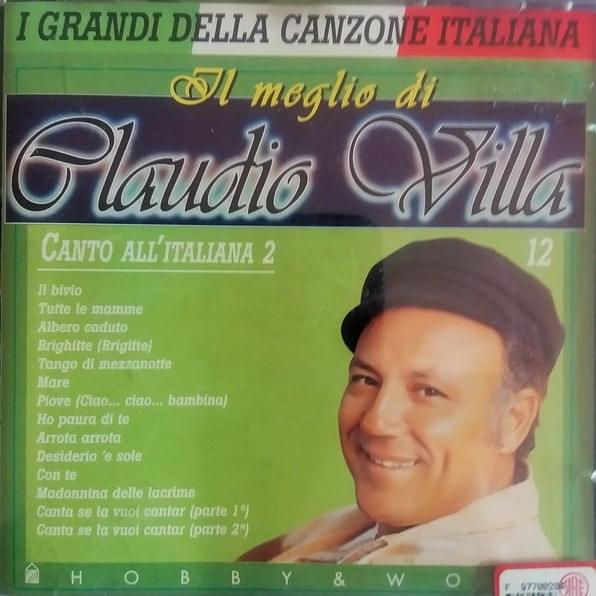
 View Artist