Song Meaning
The lyrics immediately establish a profound, unwavering devotion to Naples, describing the city as possessing an "eternal beauty" that defies global change. The narrator's "cuor giammai scordarla potrà," signaling an unbreakable personal bond. This opening sets a tone of deep, almost spiritual, connection to place and heritage.
A central emotional tension arises from the interplay of presence and absence. While the narrator admits to no longer singing "a Marechiaro," and Naples appears only "nei miei sogni," the core identity remains fixed. This dreamlike presence, followed by a waking absence, highlights a longing that is both poignant and persistent.
The lyrics expertly ground this abstract "Neapolitan heart" in concrete cultural touchstones. By listing iconic songs like "Santa Lucia" and "'O sole mio," the text asserts that these traditions "non possono morir." This isn't mere nostalgia; it's a powerful declaration that the spirit of Naples, embodied in its music, is an immutable force, independent of the narrator's physical location or the passage of time.
Ultimately, the effectiveness of these lyrics stems from their elegant portrayal of identity as something deeply rooted and enduring. The repeated affirmation, "Cuore napoletano, sei sempre tu," becomes a mantra, suggesting that even as "passano gli anni," this core connection to heritage remains the constant, defining element of the self. It's a testament to how a place can shape and sustain a person's spirit, even from afar.
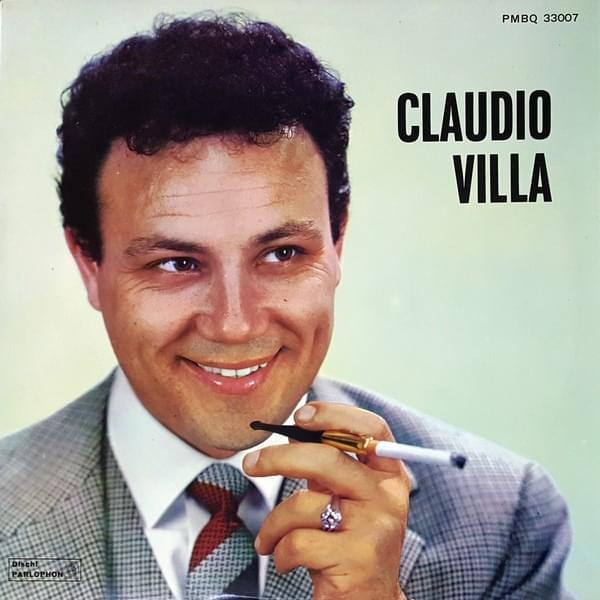
 View Artist