Song Meaning
The lyrics paint a poignant picture of rediscovering a cherished childhood book, a tangible link to a past self. The narrator finds the book "a bit crumpled" among abandoned things, immediately evoking a sense of forgotten treasures and the passage of time. Flipping through its pages, the narrator experiences a rush of emotion, vividly recalling a younger, smaller version of themselves, "when I was this tall." This initial discovery sets a tone of nostalgic reflection, a gentle immersion into a lost era.
The central tension arises from the stark contrast between the comforting familiarity of the book and the profound absence of maternal warmth. The repeated address to "O cavallina, cavallina storna" acts as a refrain for this longing, a plea to a symbol of the past that cannot truly bring back what's lost. While the book offers a connection to childhood innocence, the narrator laments, "But the caress of my mom / That was there then, I don't feel it anymore." This loss is the emotional anchor, highlighting the irreversible nature of growing up and the fading of specific, irreplaceable comforts.
The song masterfully employs the metaphor of a "book of love" and the "poetry of youth" to encapsulate the narrator's life experiences. Having "already leafed through the whole book of love," the narrator declares, "And I have learned what pain is." This suggests a journey through romantic relationships and life's hardships, a stark departure from the unburdened joy associated with the childhood book. The phrase "lost all my dreams along the way" further emphasizes this disillusionment, implying that the idealism of youth has been sacrificed for a more somber understanding of reality.
What makes these lyrics so resonant is their directness in articulating the bittersweet ache of memory and maturation. The simple act of rereading a childhood book becomes a catalyst for confronting the profound changes that time and experience inflict. The narrator isn't just reminiscing; they are actively measuring the distance between their past self, nurtured by a mother's touch and youthful dreams, and their present self, marked by learned pain and lost aspirations. The "cavallina storna," a dark, perhaps melancholic, mare, serves as a fitting, somber companion to this realization, a creature of the past that can only be observed, not rejoined.
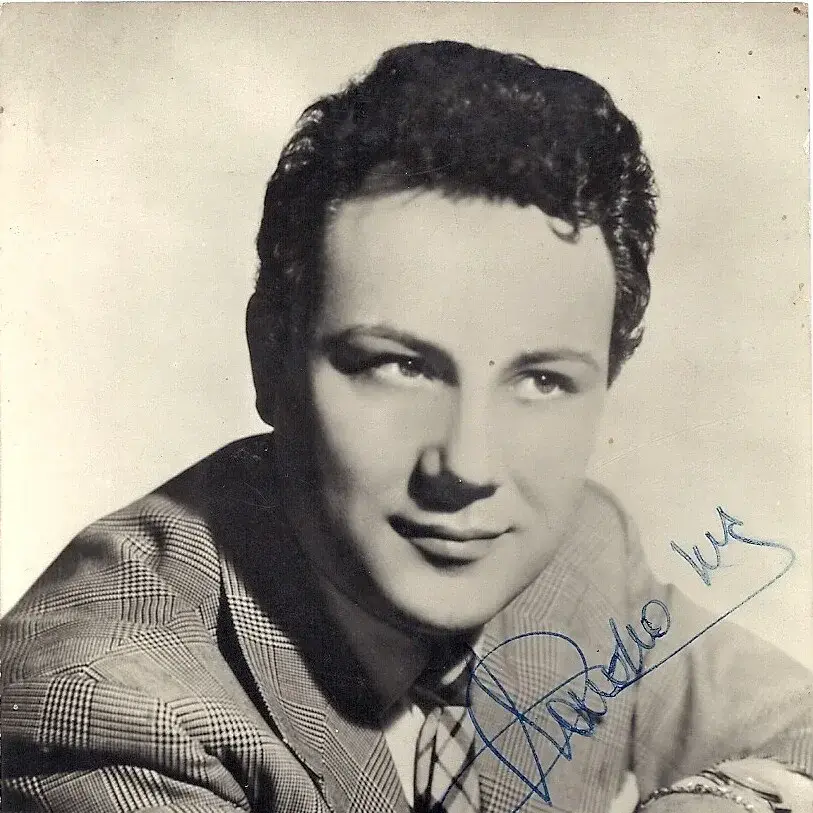
 View Artist