Song Meaning
The lyrics paint a stark picture of a love that was never meant to last, a beautiful dream that shattered into painful reality. The narrator grapples with the unexpected finality of saying goodbye, a fate they never anticipated. The initial hope for a life together, described as a "sogno tanto bello" (so beautiful a dream), is revealed to be nothing more than an "illusione" (illusion), leaving behind "un'amara delusione" (a bitter disappointment) that lingers in the heart.
The central tension lies in the forced separation and the profound grief it engenders. The repeated "Addio, addio per sempre" (Goodbye, goodbye forever) emphasizes the absolute nature of the parting. The narrator acknowledges the inevitability of leaving "Senza di te" (Without you), carrying only the "dolore" (pain) and "la delusione che fa morir" (the disappointment that kills). This isn't a gentle parting; it's a devastating end to what was perceived as the "più bel sogno" (most beautiful dream).
The most striking aspect is the raw, almost childlike expression of sorrow. The image of the narrator weeping in vain once they are "lontano" (far away), "pensando a te" (thinking of you), underscores the depth of their despair. There's a sense of helplessness, as if the tears themselves are futile against the overwhelming weight of this loss. The simple, direct language amplifies the emotional impact, making the heartbreak feel immediate and visceral.
Ultimately, these lyrics resonate because they capture the universal ache of a love story cut short. The contrast between the initial, cherished dream and the harsh reality of its end is what makes the pain so palpable. The narrator’s profound sadness, expressed through the repeated goodbyes and the promise of future tears, speaks to the deep wounds left by a love that promised everything but delivered only sorrow.
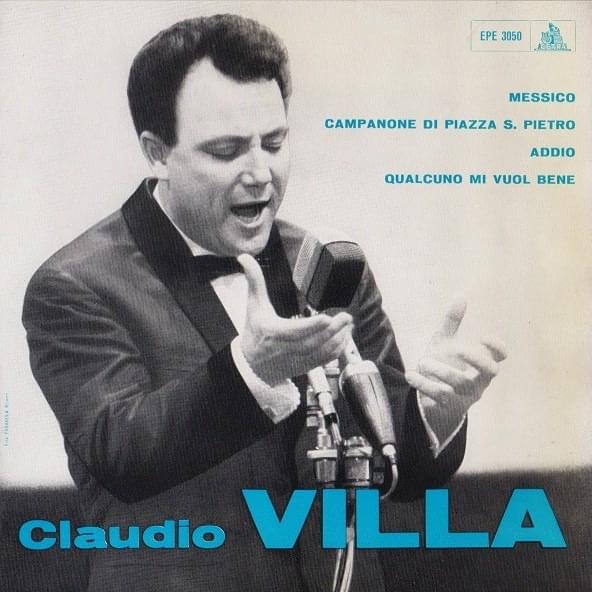
 View Artist