Song Meaning
The lyrics paint a picture of a narrator grappling with a profound silence, a void where words and music used to reside. There's a sense of being overwhelmed by ambient noise, like "trickling water through snow" or "a river that only can flow," which, while natural, offers no solace. This external cacophony seems to mirror an internal struggle, a lack of creative or emotional output that leaves the narrator adrift.
The central tension lies in the narrator's fear of this absence of sound, specifically the absence of melody and discernible words. They describe a state where "all the words disappear" and music is "all that I hear," yet this is not a peaceful quietude. Instead, it's a disorienting space where the usual anchors of expression are gone, replaced by "only noise" or the fleeting interruption of a "voice" or "child at play." This suggests a dependency on sound, particularly musicality, for a sense of self or direction.
The most striking element is the personification of melodies. The lyrics suggest these melodies "surface from nowhere," catching "words I cannot see" and daring to "take them somewhere." This implies an almost mystical or involuntary process of creation, where inspiration arrives unbidden and carries meaning the narrator can't consciously grasp. The fear of silence, "without sound," becomes a fear of losing this external, almost divine, conduit for expression and understanding.
Ultimately, the effectiveness of these lyrics stems from their stark portrayal of creative or emotional paralysis. The narrator's vulnerability is palpable as they question their own existence without this external sonic landscape. The repetition of "Without sound, where would I be" drives home a desperate plea, highlighting how integral sound, and the meaning it carries, is to their very sense of being.
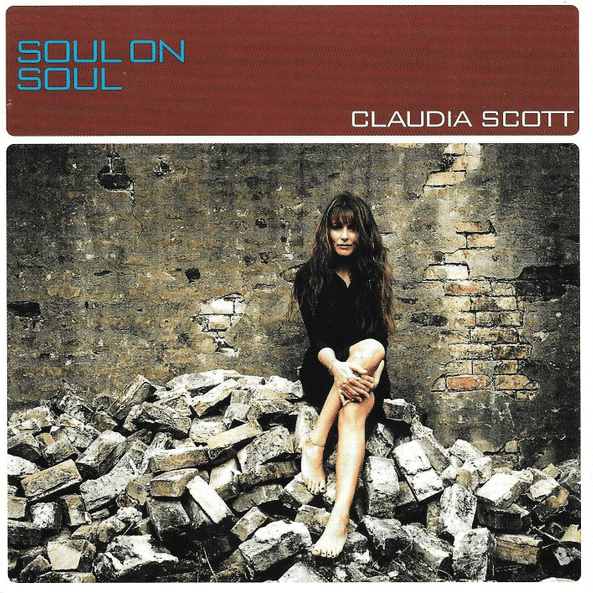
 View Artist