Song Meaning
The lyrics paint a picture of a relationship that burned too bright and too fast, leaving behind a profound emptiness. The opening lines, "Wir haben die Nacht umarmt und den Tag vertan" (We embraced the night and wasted the day), immediately establish a sense of lost time and intense, perhaps reckless, connection. This initial closeness, described as "so nah dran" (so close), has now fractured, leading to the perplexing question: "Haben wir uns zu sehr geliebt?" (Did we love each other too much?). This suggests a love so potent it became self-destructive.
The core of the narrator's pain lies in the "Leere tief in mir" (emptiness deep inside), a void that emerged after the relationship's demise. The repeated question, "Wer füllt sie aus?" (Who fills it?), underscores a desperate need for connection and a fear of being alone, even though freedom is now the reality. The narrator admits, "ich bin nicht gerne frei" (I don't like being free), highlighting the paradox of their current state: liberated from the relationship but trapped by the ensuing desolation.
The imagery of being "Allein im Niemandsland" (alone in no-man's-land) is particularly striking, conveying a sense of utter isolation and disorientation. The narrator feels lost, unable to find their way back or forward, and the brief, ineffective phone calls "helfen mir nicht" (don't help me). There's a palpable urgency to change this state, a recognition that "So darf es nicht weitergehn" (It can't go on like this), signaling a desire to turn "zur Sonne hin" (towards the sun), a metaphor for hope or a new beginning.
Ultimately, the effectiveness of these lyrics stems from their raw portrayal of post-love desolation. The narrator's vulnerability in admitting they don't like freedom and their desperate search for someone to fill the void resonate deeply. The simple, repeated question "Wer füllt sie aus?" becomes a haunting refrain, encapsulating the universal ache of loneliness and the profound impact of a love lost too intense to sustain.
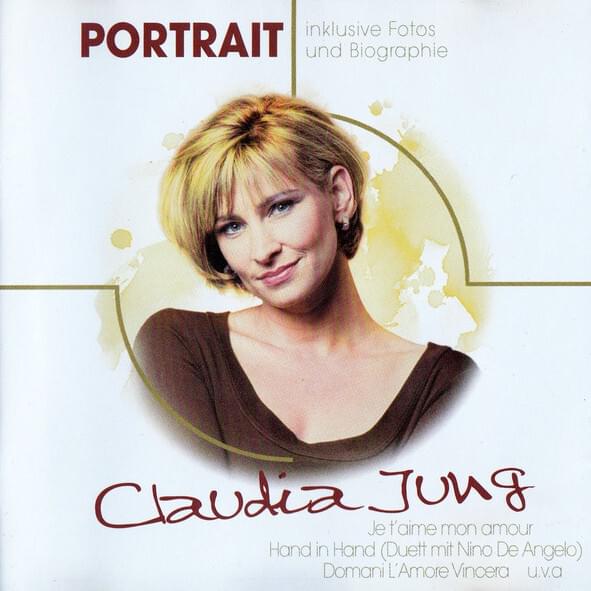
 View Artist