Song Meaning
Claude Nougaro's "Maudit" isn't just a song; it's a raw, intimate glimpse into the turbulent psyche of an artist wrestling with passion, validation, and the haunting weight of love. The opening scene is domestic but charged: the painter, caught in the act of creation, the smell of burning paint, the unspoken tension with his lover. Her entrance is a disruption, her gaze an evaluation. He seeks her approval, a gut check on his work, but her response, "C'est pas très commercial," cuts deep, exposing the vulnerability beneath his artistic bravado. He claims indifference, but the subsequent barrage of questions betrays his insecurity. This sets the stage for the core of the song meaning: an exploration of the artist's identity as inherently flawed, even cursed.
Her enigmatic reply, "Moi, j'aime les hommes... Ils sont tous maudits," is the linchpin. It's not a rejection of his art, but a profound acceptance of his nature – the tortured, driven soul that fuels his creativity. The repetition of "maudits" drives home the idea of a shared fate, a collective burden carried by men, perhaps artists specifically, driven by forces they can't fully control. The reference to "Modi digliani" (Modigliani), reinforces this idea, invoking the image of a similarly cursed and brilliant artist.
The shift to physical intimacy – "Alors entre la toile aveugle / Et le poêle sourd / On faisait l'amour" – is not a resolution, but a temporary escape. The act of love becomes a refuge from the judging eyes of the world, a space where the artist can momentarily silence the internal critic. Yet, even in this intimacy, the artistic impulse remains. As she sleeps, he returns to the canvas, driven by an insatiable need to create, suggesting that the "curse" is not just a burden, but also the very source of his art.
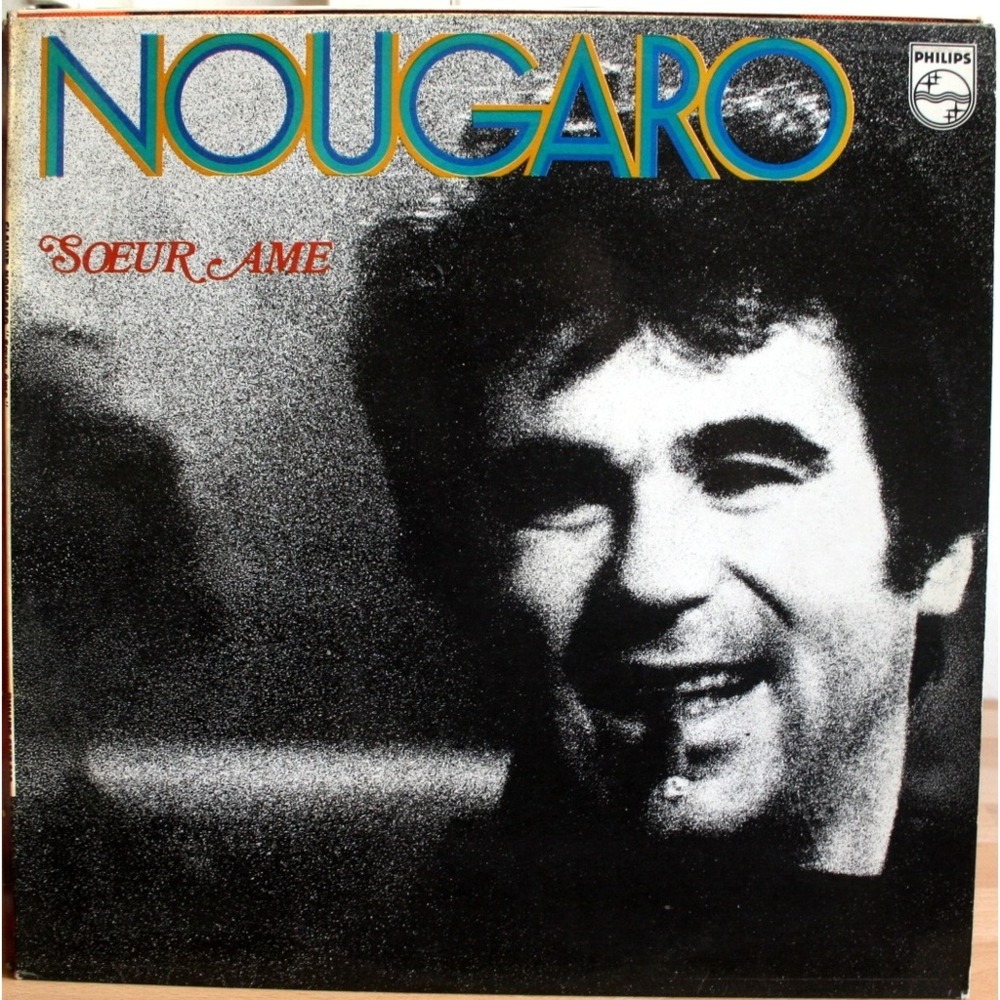
 View Artist