Song Meaning
This track paints a raw, intimate portrait of a relationship teetering on the edge, where the narrator's efforts to protect their partner clash with the harsh realities of their shared life. The opening lines establish a protective instinct, a desire to shield the loved one from pain, even if it means deception. The narrator claims they are doing their "best" to preserve a chosen life, but this effort is framed by a need for forgiveness and willful ignorance from the partner. It’s a fragile peace, built on a foundation of unspoken truths and the narrator's own perceived failings.
The central tension lies in the stark contrast between "a little love, a lot of hate." This isn't a simple lovers' quarrel; it's a deep-seated conflict where affection and resentment coexist, making togetherness a struggle. The narrator confesses to loving their partner as much as they are angry at them, a complex emotional state born from the inability to remain constant. The repeated phrase "I do my best" becomes a desperate refrain, a plea for understanding in the face of overwhelming difficulty and personal change.
The lyrics masterfully employ a push-and-pull dynamic, evident in the line "when you take a step, you move away from me, I get a little closer." This describes a relationship where proximity is constantly negotiated, a dance of avoidance and pursuit. The narrator’s desire to freeze time, to laugh about their child, suggests a yearning for stability and innocence, a stark contrast to the chaotic "crazy life" that pulls them away. This creates a poignant image of someone trying to anchor themselves in domesticity while being buffeted by external forces.
Ultimately, the effectiveness of these lyrics stems from their unflinching honesty about the exhaustion of maintaining such a precarious balance. The narrator's admission of feeling "tired of feeling all alone, all alone to cry" reveals the profound personal cost of their efforts. It’s this vulnerability, this confession of solitary struggle within a partnership, that makes the song resonate, highlighting the immense, often thankless, work required to keep love alive amidst significant strife.
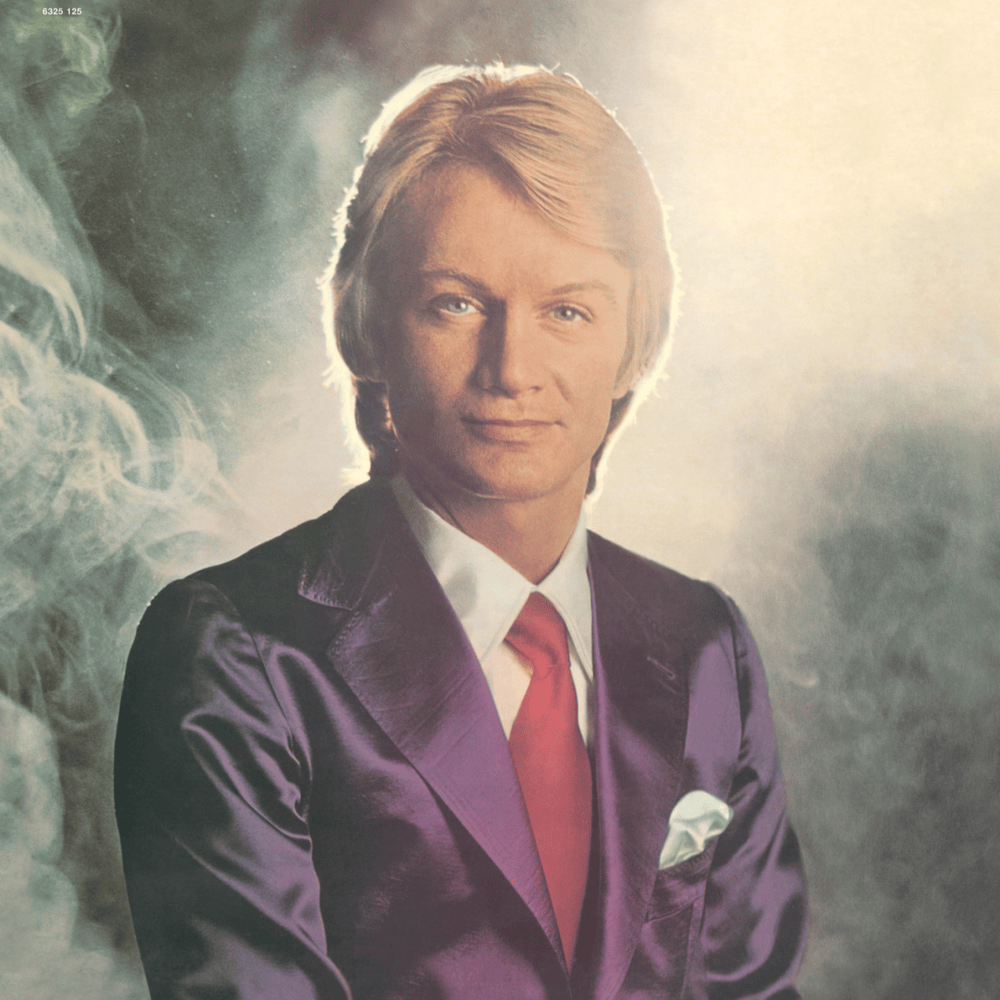
 View Artist