Song Meaning
The narrator uses the passing of boats, trains, and planes as a trigger for a profound sense of loss and longing. Each departure observed becomes a mirror for their own painful separation, highlighting the act of people leaving and the emotional toll it takes. The lyrics paint a picture of someone fixated on the idea of movement and absence, where every external journey amplifies their internal state of waiting. The simple observation of transit transforms into a heavy contemplation of goodbyes and the pain of being left behind.
This fixation on departures stems from a specific, unfulfilled promise: "L'été prochain je reviendrai" (Next summer I will return). The narrator is trapped in a cycle of waiting, marked by the passage of three summers since that fateful morning. The repetition of "Mais où es-tu ?" (But where are you?) underscores the desperation and the growing despair of an unanswered question. It’s a stark contrast between the promise of return and the relentless reality of absence, creating a central tension of hope battling against prolonged disappointment.
The most striking aspect of the craft here is the cyclical structure, mirroring the narrator's own stalled existence. The recurring refrain of "Quand un bateau passe / Quand un train siffle / Quand un avion s'envole dans le ciel" acts as a constant reminder, a soundtrack to their enduring wait. This repetition isn't just thematic; it’s structural, trapping the listener in the same loop of observation and melancholy that defines the narrator's experience. The lyrics suggest a desperate wish that these very modes of transport, which carried the loved one away, might also be the means of their return, a poignant plea born from helplessness.
What makes these lyrics so effective is their ability to translate a universal experience of waiting and loss into a deeply personal narrative, anchored by concrete imagery. The contrast between the mundane act of watching transport and the profound emotional weight it carries for the narrator is where the power lies. It’s this specific, almost obsessive, connection between external movement and internal stillness that makes the feeling of abandonment so palpable and resonant.
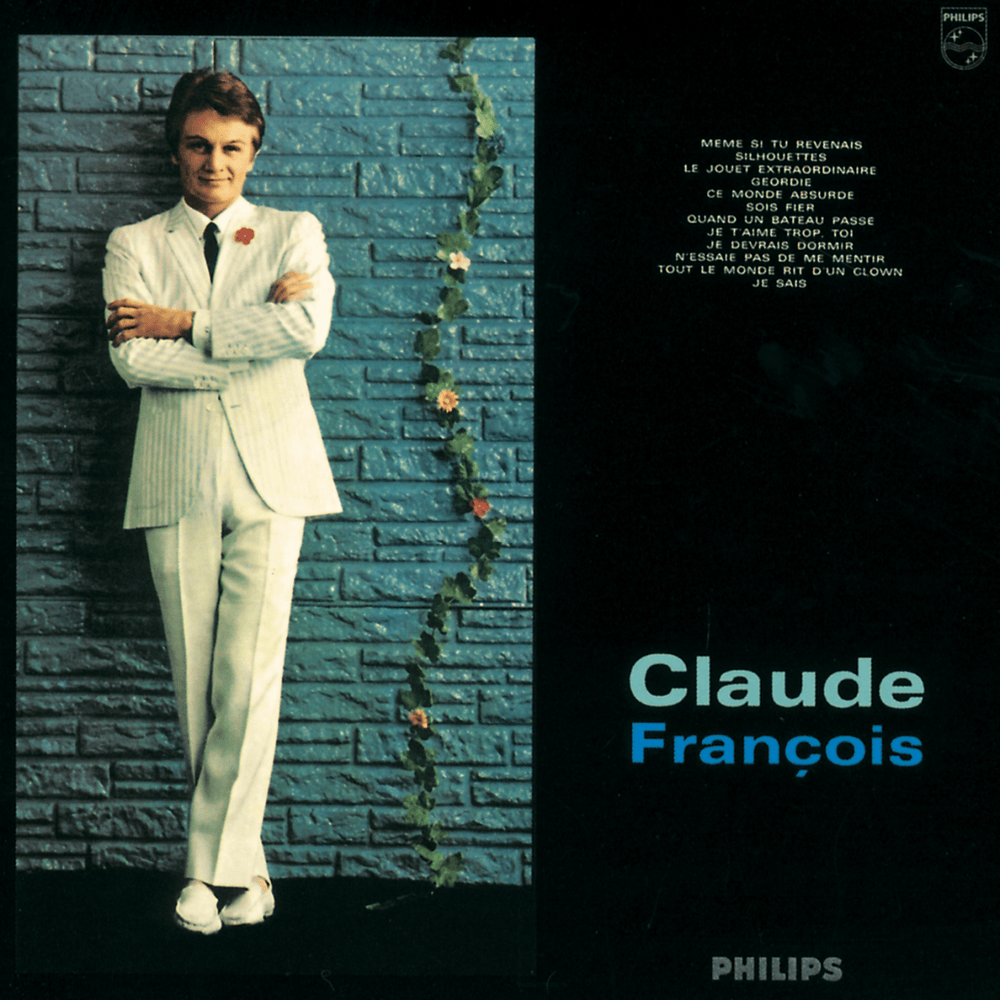
 View Artist