Song Meaning
The lyrics paint a stark picture of a final parting, set against a backdrop of ordinary happiness. The narrator and their companion have been walking for hours, observing others who seem content, creating a sharp contrast with the sudden, unexpected tears of the person they're with. This moment of shared, yet isolated, sadness is underscored by the recurring, almost ironic, detail: "C'était un Dimanche les cloches sonnaient." The ringing bells, often associated with celebration or solemnity, here seem to mark the end of something significant.
The central tension lies in the narrator's inability to truly comfort their companion. Despite tender gestures, like holding their shoulders and eliciting a faint smile, the narrator admits, "Je ne savais pas quoi te dire." This helplessness is amplified by the urgent, almost desperate, plea, "souvient toi quant mème / Je m'appelle Claude et je t'aime, je t'aime." The repetition of "je t'aime" highlights the depth of feeling, yet it's delivered in the face of an impending, irreversible departure.
The most striking element is the persistent, almost haunting, refrain of the bells. "Les cloches sonnaient" repeats throughout, becoming a sonic marker of the farewell. The final image of the companion appearing "minuscule dans cette gare" and the narrator's realization, "Je ne devais plus jamais te revoir," imbues the ringing bells with a profound sense of finality and loss. The repeated phrase, especially in the final stanza, transforms from a simple observation into an elegy for a relationship that has just ended.
This piece resonates because it captures the painful inadequacy of words during moments of deep emotional crisis. The narrator's actions – the embrace, the promise to return, the confession of love – are met with the stark reality of separation and the crushing weight of unspoken feelings. The mundane setting of a Sunday and the sound of bells, juxtaposed with such intense personal sorrow and finality, makes the moment feel both deeply personal and universally understood as a point of no return.
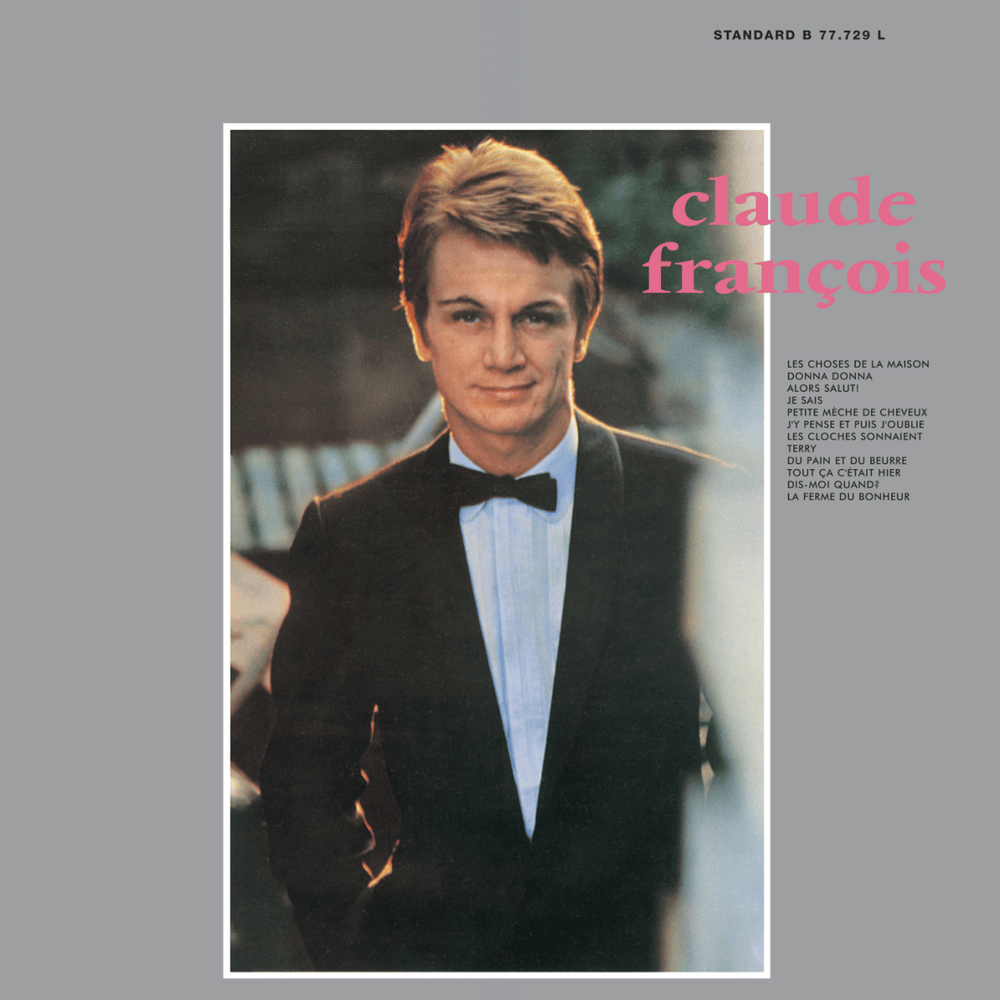
 View Artist