Song Meaning
This track paints a chilling portrait of a figure who wields immense power, transforming and destroying another person with a casual cruelty. The narrator, identifying as "Mandrake, le magicien," recounts a series of violent acts: changing someone into a dog and tying them up, turning them into a flower to wither, and then into a flame only to drown them. This establishes a tone of absolute control and a disturbing lack of empathy, where the narrator's actions are presented as faits accomplis.
The core tension lies in the narrator's assertion of dominance versus a hidden vulnerability. The repeated declaration "Je m'appelle Mandrake, le magicien" is juxtaposed with the later, desperate "Je t'ai cherché / Grattant le sable et les galets." This shift suggests the narrator's destructive acts stem from a profound loss or a desperate search, even as they claim to be "the law" and possess the other person entirely.
The most striking craft element is the dramatic shift in identity at the end. After reveling in the persona of the all-powerful magician, the narrator suddenly declares, "Moi non, je n'ai rien d'un surhomme / Je suis le plus petit, parmi les hommes." This is immediately followed by the repeated, almost pathetic, "Je m'appelle Pinocchio, le pantin." This self-revelation transforms the earlier acts of violence from expressions of god-like power into the desperate, perhaps self-destructive, actions of someone feeling small and manipulated, like a puppet.
The lyrics resonate because they capture a complex emotional landscape of power, loss, and self-deception. The initial bravado of the magician crumbles, revealing a broken individual who perhaps destroyed what they most desperately sought. The transformation from "Mandrake" to "Pinocchio" is a devastating commentary on the hollowness of exerting control when one feels fundamentally powerless and insignificant.
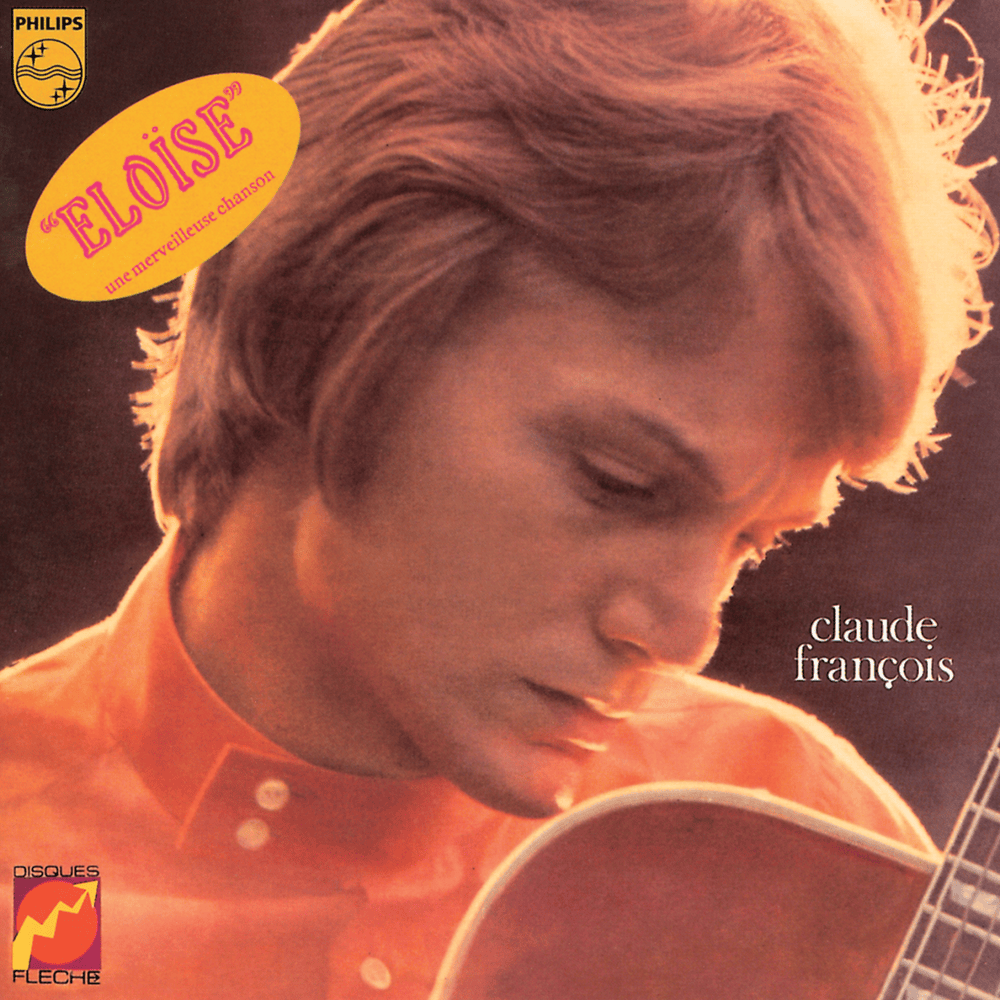
 View Artist