Song Meaning
The narrator faces an unavoidable departure, acknowledging that even the most beautiful connections must eventually end. The repeated phrase, "Il ne me reste qu´à partir" (I have no choice but to leave), underscores a sense of resignation and lack of agency in this dissolution. It’s a quiet, somber acceptance of an ending that feels both inevitable and imposed.
The core tension lies in the stark contrast between the narrator's enduring love and the partner's apparent indifference. The lyrics reveal a unilateral decision to end the relationship, leaving the narrator with no say in the matter. This lack of choice is emphasized by the line, "Et tu ne m´as pas laissé choisir" (And you didn't let me choose), highlighting the painful finality of the situation.
The most striking image is the comparison of their broken love to a child destroying toys: "Tu as cassé notre amour / Oui, comme un enfant ses jouets" (You broke our love / Yes, like a child its toys). This simile powerfully conveys a sense of careless destruction and a lack of understanding or remorse from the partner's side. It suggests the relationship was discarded without thought, leaving the narrator to grapple with the pieces.
This emotional weight lands because the writing grounds the grand idea of love ending in specific, almost childlike, actions. The repetition of the central phrase hammers home the narrator's powerlessness, while the toy analogy provides a visceral, if heartbreaking, picture of how the love was treated. It’s this precise, unadorned depiction of a relationship's final moments that resonates.
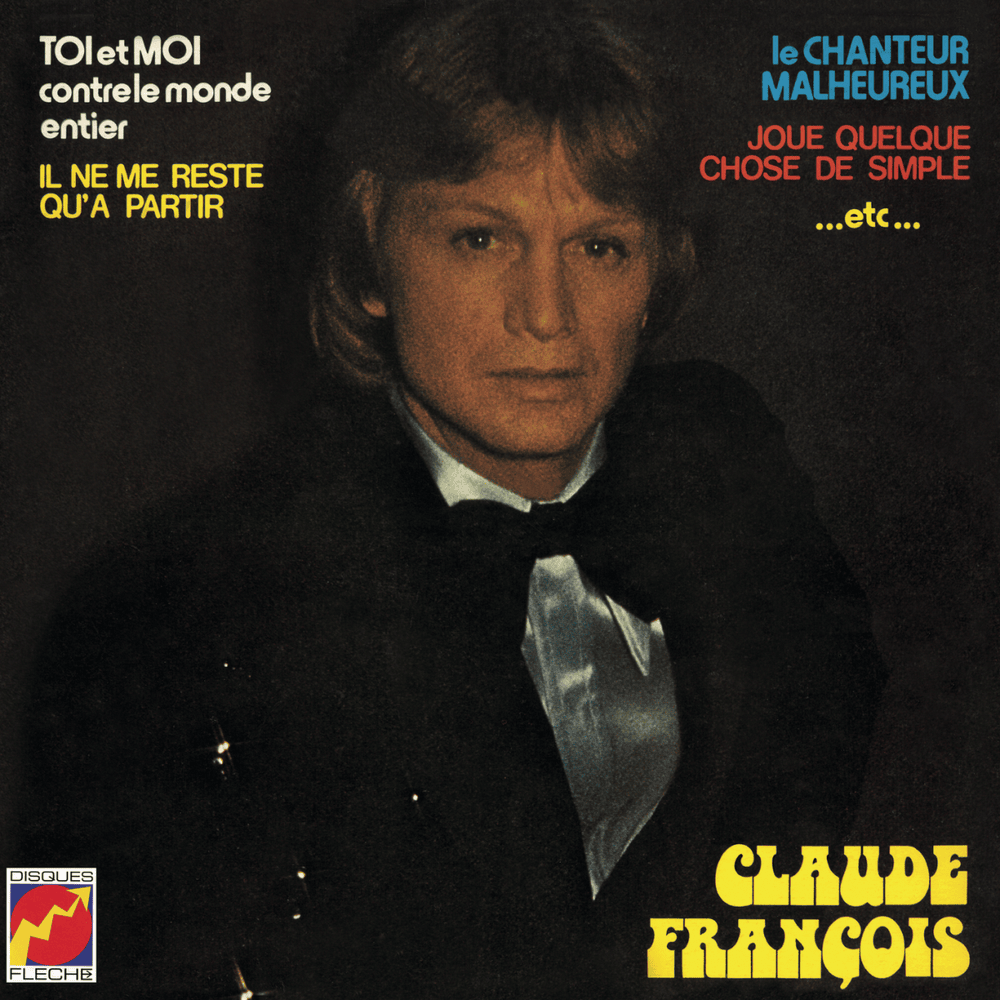
 View Artist